

Overcoming Complexity and Ensuring Compliance: The Role of ERP in the Pharmaceutical Industry
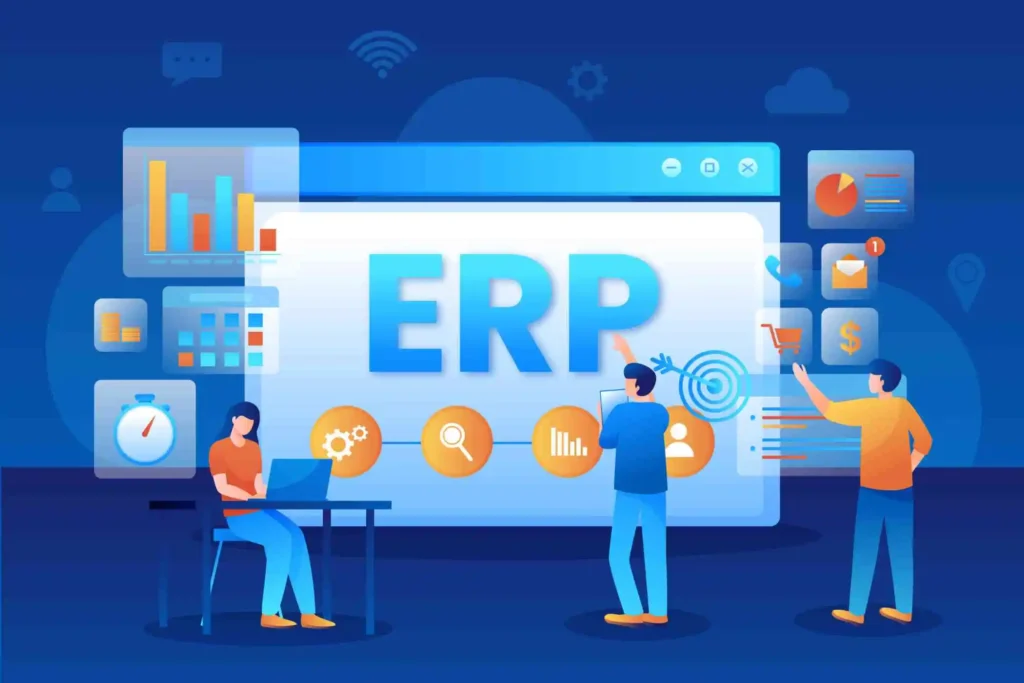
The pharmaceutical industry is one of the most regulated and complex sectors in the world. Ensuring compliance with stringent regulations while managing intricate processes can be a daunting task. This is where Enterprise Resource Planning (ERP) systems come into play. ERP systems streamline operations, ensure compliance, and manage the complexities of the pharmaceutical industry efficiently. Understanding ERP Systems What is ERP? ERP stands for Enterprise Resource Planning. It is a type of software used by organizations to manage and integrate the important parts of their businesses. An ERP software system can integrate planning, purchasing inventory, sales, marketing, finance, human resources, and more. Key Features of ERP Systems Integration ERP systems integrate various functions into a single system. This integration ensures that all departments have access to the same information, reducing errors and improving efficiency. Automation ERP systems automate routine tasks. This reduces the manual workload on employees, allowing them to focus on more strategic tasks. Automation also ensures consistency and accuracy in processes. Real-Time Data Access With ERP systems, data is updated in real-time. This provides organizations with up-to-date information, enabling quicker and more informed decision-making. Complexity in the Pharmaceutical Industry Regulatory Requirements The pharmaceutical industry must comply with stringent regulatory requirements. These regulations vary by country and include guidelines from organizations like the FDA (Food and Drug Administration) in the United States and the EMA (European Medicines Agency) in Europe. Supply Chain Management Managing the supply chain in the pharmaceutical industry is complex. It involves tracking raw materials, managing suppliers, and ensuring that the final products are delivered on time and in compliance with regulations. Product Lifecycle Management Managing the lifecycle of pharmaceutical products involves several stages, including research and development, clinical trials, and manufacturing. Research and Development This stage involves discovering new drugs and developing them for clinical use. It requires extensive documentation and compliance with regulatory standards. Clinical Trials Clinical trials are conducted to test the safety and efficacy of new drugs. This stage involves complex logistics and strict adherence to regulatory guidelines. Manufacturing The manufacturing process must comply with Good Manufacturing Practices (GMP) to ensure the quality and safety of pharmaceutical products. Ensuring Compliance with ERP Systems Regulatory Compliance FDA Regulations ERP systems help pharmaceutical companies comply with FDA regulations by providing tools for documentation, process control, and reporting. EMA Guidelines ERP systems also assist in complying with EMA guidelines, ensuring that all processes meet European standards. Quality Management GMP Standards ERP systems ensure compliance with GMP standards by providing tools for process control, quality assurance, and documentation. Quality Assurance Processes ERP systems streamline quality assurance processes, ensuring that products meet the highest standards of quality and safety. Data Integrity Electronic Records and Signatures ERP systems ensure data integrity by using electronic records and signatures. This ensures that all data is accurate, complete, and reliable. Audit Trails ERP systems provide audit trails that track changes to data, ensuring transparency and accountability. Streamlining Operations with ERP Inventory Management ERP systems streamline inventory management by providing real-time data on stock levels, tracking inventory movements, and automating reorder processes. Production Planning ERP systems assist in production planning by providing tools for scheduling, resource allocation, and process optimization. Financial Management ERP systems streamline financial management by providing tools for budgeting, accounting, and financial reporting. Benefits of ERP in the Pharmaceutical Industry Improved Efficiency ERP systems improve efficiency by automating routine tasks, reducing errors, and providing real-time data. Cost Reduction ERP systems help reduce costs by optimizing processes, reducing waste, and improving resource allocation. Enhanced Decision-Making ERP systems enhance decision-making by providing accurate and up-to-date information, enabling quicker and more informed decisions. Challenges and Solutions in ERP Implementation Customization Challenges Customizing ERP systems to meet the specific needs of the pharmaceutical industry can be challenging. It requires careful planning and expert knowledge. Data Migration Issues Migrating data from legacy systems to ERP systems can be complex and time-consuming. It requires thorough testing and validation to ensure data integrity. User Training and Adoption Ensuring that users are adequately trained and adopt the new ERP system is crucial for its success. This involves providing comprehensive training and ongoing support. Future Trends in ERP for Pharmaceuticals AI and Machine Learning AI and machine learning are expected to play a significant role in the future of ERP systems, providing advanced analytics and predictive capabilities. IoT Integration The integration of IoT (Internet of Things) with ERP systems will enable real-time monitoring and control of manufacturing processes, improving efficiency and compliance. Advanced Analytics Advanced analytics will provide deeper insights into data, enabling more informed decision-making and better process optimization. Conclusion ERP systems play a crucial role in overcoming complexity and ensuring compliance in the pharmaceutical industry. They streamline operations, improve efficiency, and provide tools for regulatory compliance. While implementing ERP systems can be challenging, the benefits far outweigh the challenges. With the continuous advancements in technology, ERP systems will continue to evolve, providing even greater value to the pharmaceutical industry. Looking to optimize Pharma ERP implementation? Lastly, if you are looking for a reliable implementation partner, you may as well contact Trident Information Systems. We are the Top Dynamics 365 Partners Being Gold D365 Implementation Partner and LS Retail Diamond Partner, we have a massive team of dedicated professionals. Our team is looking forward to serving your business and helping you grow. Contact Us for further information. For more insightful content and industry updates, follow our LinkedIn page. FAQs What is the role of ERP in regulatory compliance? ERP systems help ensure regulatory compliance by providing tools for documentation, process control, and reporting. They help track and manage compliance with various regulatory standards, such as FDA regulations and GMP standards. How does ERP improve efficiency in pharmaceutical companies? ERP systems improve efficiency by automating routine tasks, reducing errors, and providing real-time data. This allows employees to focus on more strategic tasks and make quicker, more informed decisions. What are the challenges of implementing ERP in the pharmaceutical industry? Some of the challenges include customization to meet industry-specific needs, data migration from legacy systems, and ensuring user training