Introduction to FDA Compliance in Pharmaceutical Packaging
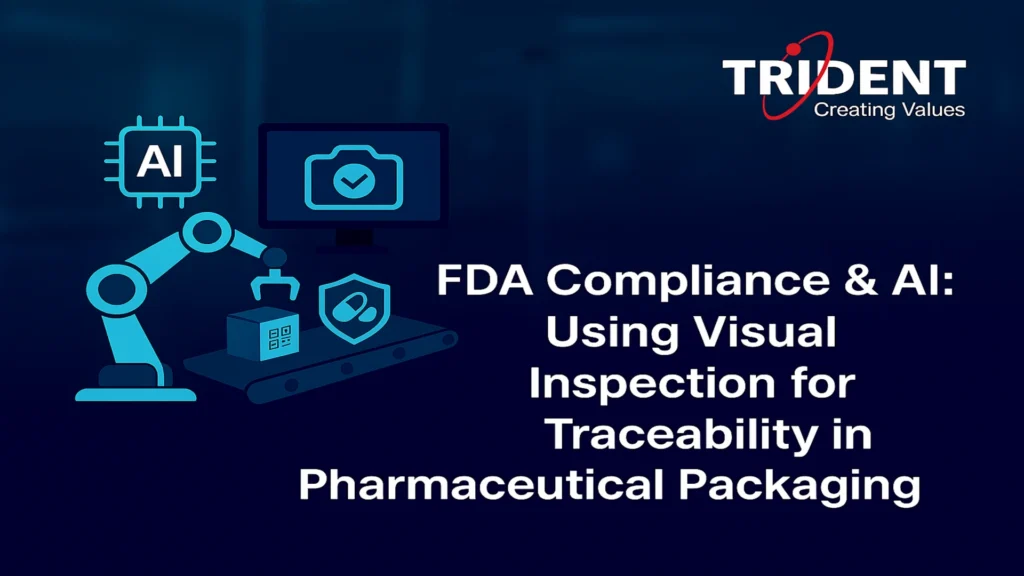
In today’s pharmaceutical landscape, FDA compliance is not just a requirement—it’s a responsibility that protects patient safety and strengthens brand trust. As packaging lines become more complex, manual inspections can no longer keep up with the precision and traceability demands of regulators. This is where AI-powered Visual Inspection Systems (VIS) step in, offering real-time accuracy, automated defect detection, and end-to-end traceability. With the right technology, pharmaceutical companies can stay compliant, reduce errors, and achieve zero-defect packaging with confidence.
Understanding the Importance of FDA Regulations
FDA regulations form the backbone of quality and safety standards across the pharmaceutical industry. These rules ensure that every packaged product entering the market is safe, correctly labeled, and free from defects. Without strict adherence to these guidelines, patient safety could be compromised, and companies may face legal penalties and reputational damage.
Why Packaging Controls Matter for Drug Safety
Packaging is more than a container — it protects, identifies, and communicates critical information about the medicine. Packaging controls ensure that every product is sealed properly, labeled accurately, and stored safely throughout its lifecycle. Because even the smallest packaging mistake can lead to serious health risks, FDA emphasizes strong controls.
The Evolution of Quality Standards in Pharma
Over the years, pharmaceutical quality standards have significantly evolved, especially as supply chains have expanded globally. Modern requirements focus heavily on data integrity, traceability, and automation-driven consistency. AI-powered visual inspection now plays a central role in helping manufacturers achieve these new-age compliance goals.
The Rising Need for Traceability in Pharma Supply Chains
Increasing Globalization and Distribution Challenges
Pharmaceutical products often travel thousands of miles before reaching patients. This complex journey involves multiple stakeholders, from manufacturers to distributors to pharmacies. Without robust traceability, tracking product condition and authenticity becomes extremely difficult.
Risks of Counterfeit and Contaminated Products
Counterfeit or contaminated medicines pose dangerous risks to patient health and trust in the healthcare system. These products often enter supply chains through weak points where traceability is not enforced. AI-based inspection helps maintain a consistent record of product authenticity, reducing vulnerabilities.
Why Traceability Is Now Non-Negotiable
Regulatory bodies worldwide require end-to-end traceability to ensure product integrity. The U.S. DSCSA mandates serialization for every unit, making traceability essential rather than optional. Pharma companies that adopt AI-driven traceability systems position themselves for safer, more compliant operations.
What Is AI-Powered Visual Inspection?
Definition and Core Components
AI-powered visual inspection combines high-speed cameras with advanced machine learning to analyze product images. It detects defects that may be invisible to human eyes by comparing real-time images against reference models. This system processes thousands of visual checks every minute with incredible accuracy.
How It Differs from Traditional Manual Inspection
Manual inspection relies heavily on human attention, which can drop after long hours of repetitive tasks. AI systems, however, never get tired, never blink, and process every unit with the same level of precision. This results in fewer errors and more consistent inspection outcomes.
Why AI Is Becoming the New Industry Standard
AI’s ability to deliver speed, accuracy, and digital traceability makes it indispensable for modern pharmaceutical operations. With rising production demand and strict FDA rules, AI becomes a vital tool to maintain competitive quality standards. It ensures compliance while reducing human dependency.
Types of Visual Defects Identified by AI Systems
Label Accuracy and Readability Issues
Labels carry essential information such as dosage, expiry date, and batch number. AI systems detect misprints, missing data, misaligned labels, and faded text within milliseconds. This helps prevent mislabeling — one of the most common causes of pharmaceutical product recalls.
Seal Integrity and Packaging Defects
Proper sealing ensures drug sterility and prevents contamination. AI inspection identifies weak seals, broken seals, dents, improper closure, or torn packaging before products leave the line. By preventing compromised packages from shipping, companies maintain stronger regulatory compliance.
Foreign Particles and Contamination Detection
Even tiny particles inside packaging can pose major risks. AI-powered systems can detect micro-level foreign matter that is hard for humans to see. This ensures that only particle-free, contamination-free units move forward in the production cycle.
Serial Number and Barcode Verification
Serialization is crucial for traceability, and AI ensures every code is readable and unique. The system checks for printing clarity, data accuracy, and position consistency. This accuracy supports DSCSA and global traceability regulations.
FDA Compliance Requirements Linked to Visual Inspection
21 CFR Part 11 and Electronic Records
The FDA requires secure, validated electronic systems for storing records. AI visual inspection solutions automatically generate tamper-proof digital logs, time-stamped images, and electronic reports. This eliminates manual record-keeping errors and supports audit readiness.
cGMP Guidelines and Packaging Controls
Current Good Manufacturing Practices emphasize consistency, cleanliness, and reliability in packaging operations. AI ensures that every product meets these requirements by detecting even the smallest defects. This supports end-to-end quality assurance throughout manufacturing.
DSCSA Requirements for Serialization and Traceability
The Drug Supply Chain Security Act mandates serialized, traceable packaging for all pharma products. AI ensures each code is correct, readable, and accurately linked to product data. This avoids compliance issues that may arise during audits or distribution.
Audit Trails and Data Integrity
Regulators require complete visibility of every inspection and packaging event. AI systems automatically track every pass, fail, and reinspection, creating an unbroken audit trail. This transparency protects companies from compliance failures.
How AI Visual Inspection Enhances Traceability
Real-Time Defect Detection
AI systems identify defects as soon as they occur, allowing operators to respond instantly. This reduces the risk of defective batches moving downstream in the supply chain. Immediate detection helps maintain higher quality and safety standards.
Automated Documentation and Record-Keeping
AI eliminates manual documentation by automatically saving inspection outcomes. These records include images, timestamps, operator inputs, and corrective actions. Automated logs ensure all data is stored securely for regulatory audits.
Linking Packaging Events to Serial Numbers
Every package can be linked to its inspection history through serialization. AI maps detected defects, packaging steps, and operator actions to specific serial numbers. This creates complete traceability from production to distribution.
Reducing Human Error and Variability
Automation reduces variations caused by human fatigue, distractions, or subjective interpretations. AI ensures consistency across all packaging lines and shifts. This leads to higher reliability and stronger compliance.
Implementation of AI in Pharmaceutical Packaging Lines
Integrating AI with Existing Machines
AI systems easily integrate with conveyors, labeling machines, and automatic packaging systems. The cameras and algorithms adapt to existing setups without major changes. This reduces implementation costs and ensures minimal workflow disruption.
Ensuring Validation and Qualification
Like any regulated technology, AI must pass IQ, OQ, and PQ validation stages. This ensures the system works as intended and meets compliance expectations. Validation also builds trust with regulatory bodies during inspections.
Training Operators and Quality Teams
Employees must understand how to read AI reports, manage alerts, and adjust inspection criteria. Training ensures they use the system effectively and confidently. With proper skill development, teams can respond quickly to quality issues.
Common Challenges and Solutions
Lighting variations, reflections, and high-speed lines can challenge image detection. Modern AI systems use adaptive learning models to overcome these issues. Continuous model updates improve accuracy over time.
Benefits of AI for FDA-Compliant Pharma Packaging
Improved Accuracy and Consistency
AI reduces human error and catches defects that are difficult to detect manually. This leads to higher consistency in product quality and fewer compliance failures. Accurate inspection supports safer medicine distribution.
Faster Batch Release and Compliance Readiness
Automated inspection and documentation reduce time spent on batch reviews. QA teams can verify compliance through digital records in minutes. Faster release cycles help manufacturers meet market demands efficiently.
Lower Operational Costs
AI reduces labor costs associated with manual inspection and rework. It also minimizes the risk of expensive recalls by detecting defects early. This makes packaging operations more cost-effective in the long run.
Enhanced Product Security
AI strengthens product security through accurate serialization and defect detection. This helps prevent counterfeit products from entering the market. Enhanced security improves trust among healthcare providers and patients.
Case Scenarios Where AI Prevents Compliance Failures
Incorrect Labeling Prevention
AI identifies missing labels, incorrect language, and inaccurate dosage information. Preventing labeling errors saves companies from recalls and regulatory warnings. It also protects patients from harmful confusion or misuse.
Serial Number Duplication Alerts
Duplicate codes break the traceability chain and cause DSCSA violations. AI flags duplicated or unreadable codes instantly, preventing compliance issues. This ensures each product can be tracked throughout its lifecycle.
Seal Failure Detection
Damaged or incomplete seals compromise product safety and sterility. AI identifies these defects before packaging leaves the production line. Early detection reduces health risks and costly rejections.
Real-Time Contamination Blocking
Contamination—even small particles—can lead to severe health risks. AI identifies contamination instantly and stops the defective unit from moving forward. This safeguards patient health and regulatory compliance.
Future of AI and Traceability in Pharma Packaging
Predictive Quality Control
AI will soon shift from defect detection to defect prediction. By analyzing patterns, AI can warn operators before problems occur. This proactive approach can revolutionize pharmaceutical quality assurance.
Integration with Blockchain for End-to-End Traceability
Blockchain and AI together create tamper-proof, transparent supply chains. Each serialized unit will have a secure lifetime record accessible across networks. This level of trust will redefine global pharmaceutical compliance.
Cloud-Based Compliance Ecosystems
Cloud platforms will centralize data from multiple packaging sites into unified dashboards. This helps quality teams monitor real-time compliance and performance. Remote access enables faster decision-making and audits.
Autonomous Packaging Lines
AI and robotics will drive fully autonomous packaging lines in the future. These smart lines will self-correct defects and maintain 24/7 operation. This will drastically reduce errors and further streamline compliance.
Conclusion
AI-powered visual inspection is transforming how pharmaceutical packaging meets FDA compliance requirements. By improving accuracy, traceability, and real-time monitoring, AI ensures safer and more reliable drug distribution. As regulatory expectations tighten and supply chains expand, AI becomes a critical tool for maintaining quality and efficiency. Companies that adopt intelligent inspection systems stay ahead in compliance, reduce operational risks, and build stronger customer trust. The future of pharmaceutical packaging is intelligent, automated, and completely traceable — and AI is the driving force behind this evolution. For further inquiries or a demo, you can Contact Trident Information Systems. Stay ahead of the innovation curve! Follow our LinkedIn page for the latest insights and updates on how Vision Intelligence System are revolutionizing The industry.
FAQs
1. What role does AI play in FDA-compliant packaging?
AI automates defect detection, maintains digital inspection records, and ensures consistent packaging quality that meets FDA standards.
2. Can AI replace human inspectors entirely?
AI significantly reduces manual work but typically complements human oversight rather than replacing it fully.
3. How does AI support serialization?
AI verifies code readability, uniqueness, and accuracy, supporting DSCSA serialization requirements for traceability.
4. Is AI inspection suitable for high-speed packaging lines?
Yes, AI handles thousands of inspections per minute with consistent accuracy, making it ideal for fast production environments.
5. What challenges might companies face during AI integration?
Challenges include lighting variations, training needs, and system validation, but modern AI tools offer solutions for each.