
Welcome to Trident Information Systems!
Write us to - info@tridentinfo.com
Let's Socialize

beverage erp

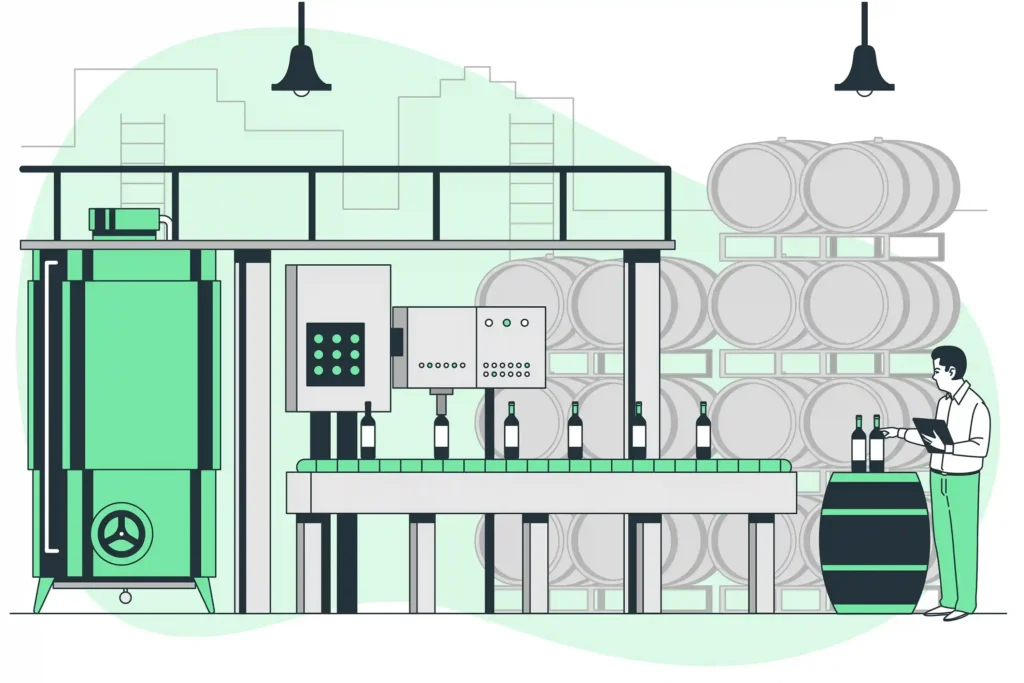
Manage Your Inventory Effectively with Food and Beverage Inventory Management Software

Introduction Managing inventory in the food and beverage industry is no easy task. With perishable goods, fluctuating demand, and complex supply chains, keeping everything in order requires a lot of attention to detail. Effective inventory management can make or break your business, impacting everything from your bottom line to customer satisfaction. This is where food and beverage inventory management software comes into play, offering a modern solution to age-old problems. In this article, we’ll explore why inventory management is crucial in the food and beverage industry, the benefits of using specialized software, and how you can choose and implement the right system for your business. Why Inventory Management is Crucial for Food and Beverage Businesses Managing inventory in the food and beverage industry presents unique challenges. Unlike other sectors, you’re dealing with perishable items, which means timing is everything. Mismanagement can lead to significant losses, whether through spoilage, overstocking, or missed sales opportunities due to stockouts. On top of that, the food and beverage industry is highly competitive, and the ability to respond quickly to customer demands can set you apart from your competitors. Poor inventory management can lead to a range of issues—from excessive waste and increased costs to lost revenue and dissatisfied customers. In an industry where margins are often thin, every little bit counts. This is why more and more businesses are turning to technology to help manage their inventory more effectively. What is Food and Beverage Inventory Management Software? Food and beverage inventory management software is a specialized tool designed to help businesses keep track of their inventory in real-time. It goes beyond simple stock counting to provide a comprehensive view of your inventory levels, usage patterns, and ordering needs. This software is designed specifically for the unique needs of the food and beverage industry, taking into account factors like shelf life, seasonality, and supplier lead times. Unlike traditional inventory management methods, which often rely on manual counting and spreadsheets, inventory management software automates many of these tasks. This not only saves time but also reduces the risk of human error. Key Features of Food and Beverage Inventory Management Software Let’s dive deeper into the key features that make food and beverage inventory management software an essential tool for modern businesses: Automated Inventory Tracking One of the standout features of inventory management software is automated tracking. The software automatically updates your inventory levels as stock is received, used, or sold. This automation ensures that your inventory data is always up-to-date, helping you avoid the pitfalls of overstocking or understocking. Real-time Data Analytics Real-time data is invaluable in the food and beverage industry. Inventory management software provides instant access to data on stock levels, sales trends, and usage patterns. This allows you to make informed decisions quickly, whether it’s adjusting order quantities or identifying slow-moving items that need to be promoted. Supply Chain Management Integration Effective inventory management isn’t just about tracking what’s in your stockroom; it also involves managing your supply chain. Many inventory management systems integrate with your suppliers, allowing for automated ordering and real-time tracking of shipments. This integration can streamline your operations and reduce the risk of stockouts or delays. Waste Reduction Tools Food waste is a significant concern for many businesses. Inventory management software can help minimize waste by providing tools to track expiration dates, rotate stock, and forecast demand more accurately. By reducing waste, you not only save money but also contribute to a more sustainable business model. Reporting and Forecasting Accurate reporting and forecasting are critical to effective inventory management. The software can generate detailed reports on inventory turnover, waste, and profitability, helping you identify trends and make data-driven decisions. Forecasting tools can predict future demand based on historical data, helping you plan your orders more effectively. Benefits of Using Inventory Management Software Now that we’ve covered the key features, let’s look at some of the benefits of using food and beverage inventory management software: Increased Efficiency By automating many of the tasks involved in inventory management, the software frees up your time to focus on other areas of your business. Tasks that once took hours can now be completed in minutes, allowing your team to be more productive. Cost Savings Better inventory management leads to significant cost savings. By optimizing your stock levels and reducing waste, you can lower your overall expenses. Additionally, the software can help you identify cost-saving opportunities, such as bulk purchasing or finding alternative suppliers. Enhanced Accuracy Manual inventory management is prone to errors, which can lead to costly mistakes. Inventory management software significantly reduces the risk of human error by automating data entry and calculations. This enhanced accuracy can lead to more reliable inventory data and better decision-making. Improved Compliance The food and beverage industry is heavily regulated, and non-compliance can result in hefty fines or even the closure of your business. Inventory management software helps you stay compliant by keeping accurate records of your stock and providing alerts when items are nearing their expiration date. How to Choose the Right Food and Beverage Inventory Management Software Choosing the right inventory management software can be daunting, especially with so many options on the market. Here are some key considerations to help you make the right choice: Assess Your Business Needs Before you start shopping for software, take a close look at your business needs. What are the biggest challenges you face with inventory management? Do you need help with tracking, forecasting, or compliance? Understanding your specific needs will help you find a solution that fits. Consider Scalability As your business grows, your inventory management needs will likely become more complex. Choose a software solution that can scale with your business, adding new features and capabilities as needed. Look for User-Friendly Interfaces The best software in the world won’t be much use if your team can’t figure out how to use it. Look for software with a user-friendly interface that makes it easy for your staff to learn and use. Evaluate Integration Capabilities Your

Manage Your Inventory Effectively with Food and Beverage Inventory Management Software Read More »
ERP in the pharmaceutical industry

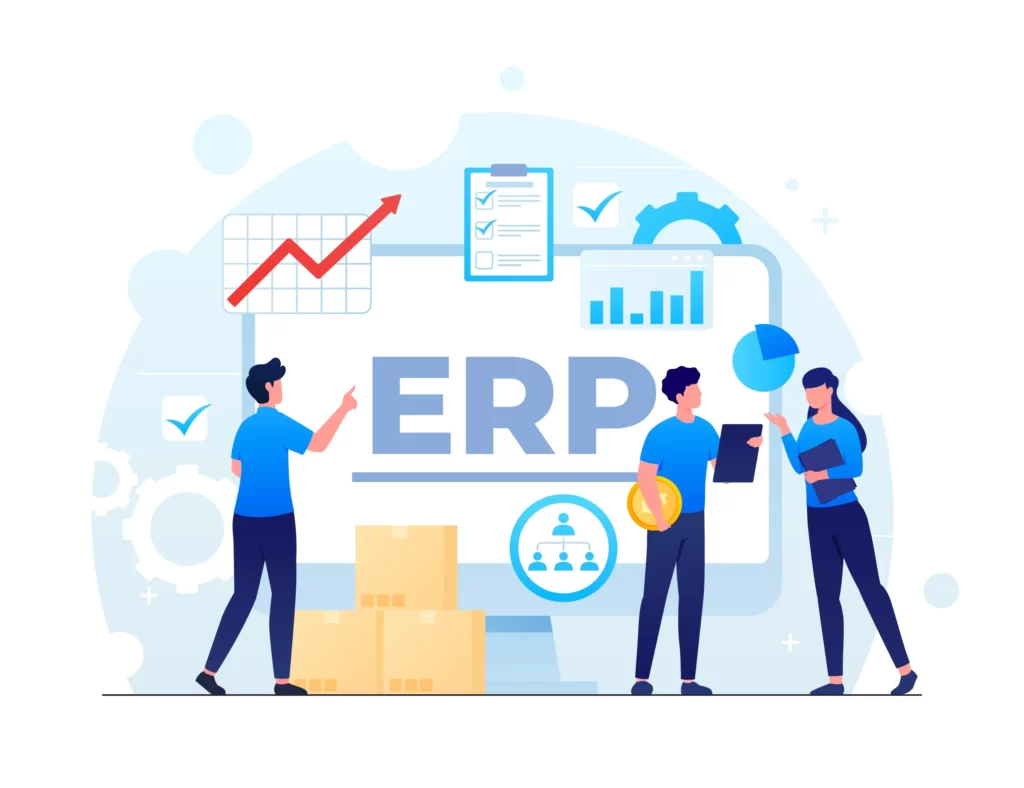
Overcoming Complexity and Ensuring Compliance: The Role of ERP in the Pharmaceutical Industry

The pharmaceutical industry is one of the most regulated and complex sectors in the world. Ensuring compliance with stringent regulations while managing intricate processes can be a daunting task. This is where Enterprise Resource Planning (ERP) systems come into play. ERP systems streamline operations, ensure compliance, and manage the complexities of the pharmaceutical industry efficiently. Understanding ERP Systems What is ERP? ERP stands for Enterprise Resource Planning. It is a type of software used by organizations to manage and integrate the important parts of their businesses. An ERP software system can integrate planning, purchasing inventory, sales, marketing, finance, human resources, and more. Key Features of ERP Systems Integration ERP systems integrate various functions into a single system. This integration ensures that all departments have access to the same information, reducing errors and improving efficiency. Automation ERP systems automate routine tasks. This reduces the manual workload on employees, allowing them to focus on more strategic tasks. Automation also ensures consistency and accuracy in processes. Real-Time Data Access With ERP systems, data is updated in real-time. This provides organizations with up-to-date information, enabling quicker and more informed decision-making. Complexity in the Pharmaceutical Industry Regulatory Requirements The pharmaceutical industry must comply with stringent regulatory requirements. These regulations vary by country and include guidelines from organizations like the FDA (Food and Drug Administration) in the United States and the EMA (European Medicines Agency) in Europe. Supply Chain Management Managing the supply chain in the pharmaceutical industry is complex. It involves tracking raw materials, managing suppliers, and ensuring that the final products are delivered on time and in compliance with regulations. Product Lifecycle Management Managing the lifecycle of pharmaceutical products involves several stages, including research and development, clinical trials, and manufacturing. Research and Development This stage involves discovering new drugs and developing them for clinical use. It requires extensive documentation and compliance with regulatory standards. Clinical Trials Clinical trials are conducted to test the safety and efficacy of new drugs. This stage involves complex logistics and strict adherence to regulatory guidelines. Manufacturing The manufacturing process must comply with Good Manufacturing Practices (GMP) to ensure the quality and safety of pharmaceutical products. Ensuring Compliance with ERP Systems Regulatory Compliance FDA Regulations ERP systems help pharmaceutical companies comply with FDA regulations by providing tools for documentation, process control, and reporting. EMA Guidelines ERP systems also assist in complying with EMA guidelines, ensuring that all processes meet European standards. Quality Management GMP Standards ERP systems ensure compliance with GMP standards by providing tools for process control, quality assurance, and documentation. Quality Assurance Processes ERP systems streamline quality assurance processes, ensuring that products meet the highest standards of quality and safety. Data Integrity Electronic Records and Signatures ERP systems ensure data integrity by using electronic records and signatures. This ensures that all data is accurate, complete, and reliable. Audit Trails ERP systems provide audit trails that track changes to data, ensuring transparency and accountability. Streamlining Operations with ERP Inventory Management ERP systems streamline inventory management by providing real-time data on stock levels, tracking inventory movements, and automating reorder processes. Production Planning ERP systems assist in production planning by providing tools for scheduling, resource allocation, and process optimization. Financial Management ERP systems streamline financial management by providing tools for budgeting, accounting, and financial reporting. Benefits of ERP in the Pharmaceutical Industry Improved Efficiency ERP systems improve efficiency by automating routine tasks, reducing errors, and providing real-time data. Cost Reduction ERP systems help reduce costs by optimizing processes, reducing waste, and improving resource allocation. Enhanced Decision-Making ERP systems enhance decision-making by providing accurate and up-to-date information, enabling quicker and more informed decisions. Challenges and Solutions in ERP Implementation Customization Challenges Customizing ERP systems to meet the specific needs of the pharmaceutical industry can be challenging. It requires careful planning and expert knowledge. Data Migration Issues Migrating data from legacy systems to ERP systems can be complex and time-consuming. It requires thorough testing and validation to ensure data integrity. User Training and Adoption Ensuring that users are adequately trained and adopt the new ERP system is crucial for its success. This involves providing comprehensive training and ongoing support. Future Trends in ERP for Pharmaceuticals AI and Machine Learning AI and machine learning are expected to play a significant role in the future of ERP systems, providing advanced analytics and predictive capabilities. IoT Integration The integration of IoT (Internet of Things) with ERP systems will enable real-time monitoring and control of manufacturing processes, improving efficiency and compliance. Advanced Analytics Advanced analytics will provide deeper insights into data, enabling more informed decision-making and better process optimization. Conclusion ERP systems play a crucial role in overcoming complexity and ensuring compliance in the pharmaceutical industry. They streamline operations, improve efficiency, and provide tools for regulatory compliance. While implementing ERP systems can be challenging, the benefits far outweigh the challenges. With the continuous advancements in technology, ERP systems will continue to evolve, providing even greater value to the pharmaceutical industry. Looking to optimize Pharma ERP implementation? Lastly, if you are looking for a reliable implementation partner, you may as well contact Trident Information Systems. We are the Top Dynamics 365 Partners Being Gold D365 Implementation Partner and LS Retail Diamond Partner, we have a massive team of dedicated professionals. Our team is looking forward to serving your business and helping you grow. Contact Us for further information. For more insightful content and industry updates, follow our LinkedIn page. FAQs What is the role of ERP in regulatory compliance? ERP systems help ensure regulatory compliance by providing tools for documentation, process control, and reporting. They help track and manage compliance with various regulatory standards, such as FDA regulations and GMP standards. How does ERP improve efficiency in pharmaceutical companies? ERP systems improve efficiency by automating routine tasks, reducing errors, and providing real-time data. This allows employees to focus on more strategic tasks and make quicker, more informed decisions. What are the challenges of implementing ERP in the pharmaceutical industry? Some of the challenges include customization to meet industry-specific needs, data migration from legacy systems, and ensuring user training

Overcoming Complexity and Ensuring Compliance: The Role of ERP in the Pharmaceutical Industry Read More »

Inventory-Management-in-the-Food-and-Beverage-Industry-with-ERP-Software

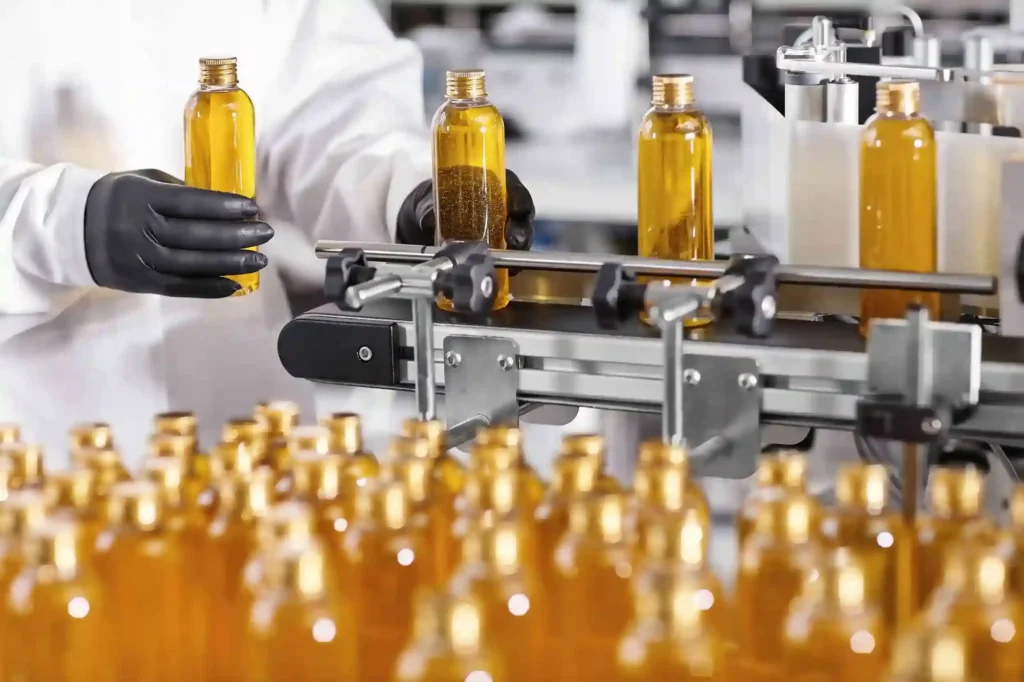
Enhance Inventory Management in the Food and Beverage Industry with ERP Software

Elevate your Food and Beverage business with cutting-edge ERP software. Optimize inventory management, streamline processes, and boost efficiency. Experience enhanced control and profitability. Revolutionize your F&B operations with ERP solutions.

Enhance Inventory Management in the Food and Beverage Industry with ERP Software Read More »

Microsoft Dynamics for Restaurant

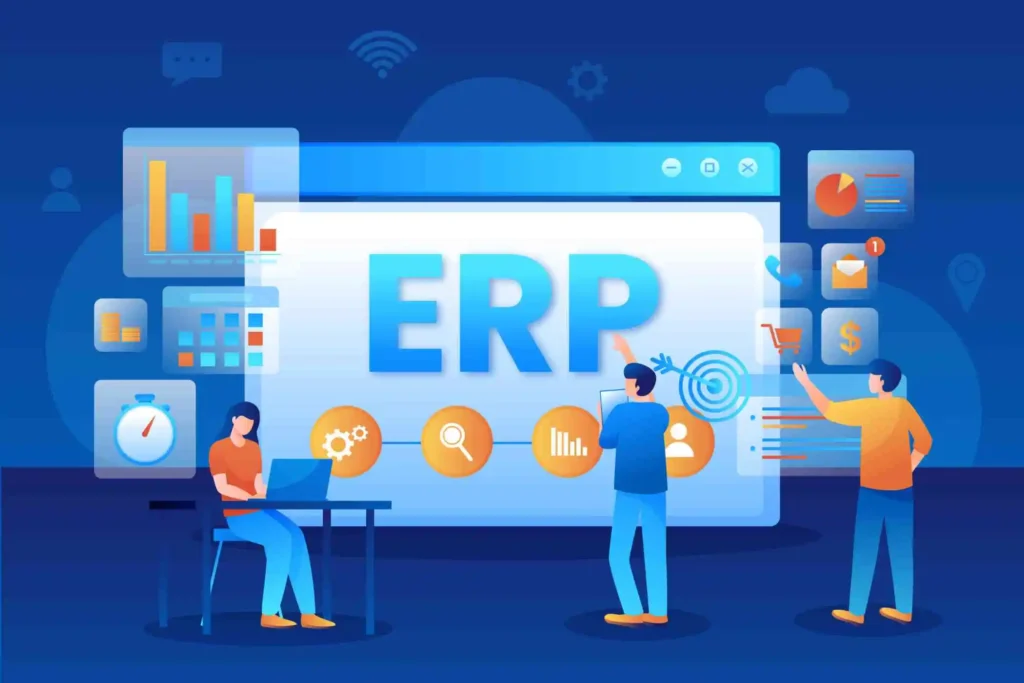
Why Does Analytics Play a Huge Role in the Journey of a Restaurant’s CIO?

Restaurants that fear changes cannot make it too far in the competition. The past few years have taught every industry the importance of speed and agility for survival. Restaurant industries are fast-paced, and a little slowdown can end up collapsing massive profit-earning opportunities for them. With unexpected lockdowns, staff shortages, and a lack of ingredients, many restaurants reached the verge of shutting down in the past. Only those with a Unified Restaurant Management System, like Microsoft Dynamics for Restaurant, had enough resources to keep them surviving and innovating new ideas to make a profit even during the most hopeless hours. They could do it with the agile analytics that LS Retail Restaurant Software offers.  There are still many food service businesses that fear changes; they dread the complications that hang around the process, and therefore, choose to work in silos. Little do they realize how many steps it pushes them back and we are not even talking about the uncertain threats they cannot see.   Traditional technology often fails to support agile methods. It is time to introduce a digital transformation into your restaurant and invest in reliable Intelligence technology. As per a study by IDC, companies that focus their digital transformation on intelligence technology boost their productivity, earn 8 times more revenue, and drive twice cost efficiency as compared to a non-digitally transformed restaurant.   How Analytics in Microsoft Dynamics for Restaurant Benefits Your Restaurant Business?  With the latest technology driven by intelligence, it does not demand a team of data scientists to bring market analytics. Microsoft Dynamics for Restaurant is an AI and Intelligence based unified Hospitality Management Solution that provides the following benefits:   Find the Relevant Patterns   Microsoft Dynamics for Restaurant provides detailed insights into your market where you can notice patterns and plan strategies accordingly. You can notice that a particular mall in your downtown location sells more wine than beer. Or people in a certain area look for a particular restaurant during a rainy day. Noticing patterns like these can change the whole game. You will make strategies more consciously keeping such information as the base. Also, with historical consumption patterns, you can predict how much you can sell in the next week.  Optimized Inventory Ordering While Cutting Waste  With agile intelligence, you can record and notice your previous ingredient management pattern and find methods to minimize waste. Maybe you know that from the past few times, your tomato sauce is in excess and ends up in a can. Or you may see that customers are not finishing the red wine and it’s getting wasted. Waste cannot be eliminated but minimized. Microsoft Dynamics for Restaurant helps you do just that. With robust analytics and real-time visibility, you can easily minimize costs and add to your profit margin.   Manage Stock Usage and Distribution   Managing stock and distributing it throughout your chains is not as easy as it sounds. Distributing inventory across different locations needs strategic planning where the response from customers has already been observed. For instance, you can distribute more pork sausages in your Rochester chain where customers choose it for breakfast, and chicken wings in Syracuse for lunch. The vigor of a plan entirely depends upon the accuracy of the information they can access. Microsoft Dynamics for Restaurant fosters robust business intelligence tools such as Power BI. Since the data is stored in a single source of truth, it extracts information from multiple sources and turns them into actionable reports.   Design an Impactful Menu   Have you noticed some dishes on your menu are very costly to make and are not even popular among customers? If they can’t provide you with healthy margins, cut them off from your menu. With deep insights into the customer, you can see how your menu is performing. Study customer feedback and try adding more variations in the most liked meals. You can launch special offers where you may sell free fries with peri-peri chicken wings. Or you may cross-sell dishes as well. Make exciting combinations of different dishes and form a meal. Insights allow exponential opportunities to make good variations in your existing menu.  If you are looking to implement Microsoft Dynamics for Restaurant, you must contact a Microsoft Restaurant ERP Software Implementation Partner. Your partner must have a robust track of accomplishments and robust resources to manage your restaurant needs. Trident is a D365 Gold Implementation Partner and LS Retail Diamond Partner. With 22+ years of experience, we have acquired a massive clientage and maximum customer retention rate. Our team of experts ensures your Restaurant Application keep working with their 24/7 support. Contact us for further information.

Why Does Analytics Play a Huge Role in the Journey of a Restaurant’s CIO? Read More »