Welcome to Trident Information Systems!
Write us to - info@tridentinfo.com
Let's Socialize

LS Retail POS Software

LS Retail POS Software

Retail customer using a loyalty program at checkout for a personalized shopping experience.

How to Use Your Loyalty Program to Create a Standout In-Store Customer Experience

Loyalty programs are one of the most powerful — and most underused — tools in retail. The data is unambiguous: 81 percent of consumers say loyalty programs make them more likely to continue doing business with a brand, and 66 percent actively adjust their spending habits to maximize loyalty benefits. These are not passive participants — they are your most engaged, highest-value customers. And yet, despite that enormous goodwill, only 22 percent of loyalty program members currently feel they receive a better experience than non-members. That means nearly eight out of ten of your most loyal customers — the people who have opted in, shared their data, and demonstrated their commitment to your brand — cannot tell the difference between being a member and not being one. That gap is not just a missed opportunity. It is a competitive vulnerability. Because the retailers who are closing it — who are using loyalty program data to create genuinely personalized, memorable in-store customer experiences — are building the kind of deep brand affinity that no promotional discount can replicate. This guide covers three proven strategies for using your loyalty program to create an in-store experience that makes your best customers feel exactly what they are: truly valued. Why Your Loyalty Program Is Your Most Underused In-Store Asset The Loyalty Gap: Why 78% of Members Feel No Different From Regular Shoppers Most retail loyalty programs are built around a simple value exchange: spend money, earn points, redeem rewards. And while that model generates enrollment numbers, it rarely generates the deeper emotional connection that drives genuine long-term loyalty. The problem is that points and discounts are table stakes — not differentiators. When every retailer in your category offers a similar earn-and-burn structure, membership in your program stops feeling special. Customers collect points, but they do not feel seen, recognized, or valued in any way that a non-member would not experience. The loyalty program members who stay loyal longest — who spend more, visit more frequently, and refer others — are those who feel a genuine personal connection to the brand. And that connection is built through personalized experiences, exclusive privileges, and meaningful recognition — not just through reward points. What Closing the Loyalty Experience Gap Is Worth to Your Business The business case for investing in loyalty experience is compelling. Research consistently shows that increasing customer retention by just 5 percent can increase profits by 25 to 95 percent. Loyalty program members who feel genuinely valued spend more per visit, respond more positively to new product launches, and are significantly less likely to defect to a competitor — even when that competitor offers a lower price. Your loyalty program already gives you everything you need to close the gap: the data, the permission, and the direct communication channel. What most retailers are missing is the strategy and the technology to activate it effectively in-store. 3 Proven Strategies to Use Your Loyalty Program In-Store 1: Deliver Personalized Rewards That Feel Made for Each Customer Personalization is the single most powerful driver of in-store loyalty experience — and it starts with the data your loyalty program already collects. Every purchase, every browse, every interaction your customer has across your touchpoints is a signal that, when analyzed correctly, tells you exactly what that customer values, what they are likely to want next, and how to make them feel understood. How to implement personalized in-store loyalty rewards: The key ingredient that makes all of this possible at scale is artificial intelligence. AI-powered loyalty platforms can analyze thousands of data points per customer in real time — surfacing the right offer, for the right person, at the right moment — without requiring your team to manually configure individual customer journeys. 2: Make Loyalty Members Feel Genuinely Privileged The most effective loyalty programs do more than reward spending — they confer status. When loyalty membership feels like belonging to an exclusive group — not just enrolling in a discount scheme — the emotional bond between customer and brand deepens significantly. How to make loyalty program members feel privileged in-store: 3: Create Exclusive In-Store Events That Loyal Customers Remember Nothing creates an emotional connection to a brand faster than a genuinely memorable shared experience. Exclusive in-store events for loyalty program members transform a transactional relationship into a social one — and social connections to a brand are among the most durable forms of loyalty that exist. How to create in-store loyalty events that members talk about: The Technology That Makes In-Store Loyalty Personalization Possible AI-Powered Loyalty Apps: From Data to Real-Time Personalization The strategies above are only achievable at scale with the right technology. Manually creating personalized offers for thousands of loyalty members is not operationally viable — but AI-powered loyalty platforms make it not just viable, but automatic. An AI-enabled loyalty system continuously analyzes each member’s purchase history, browsing behavior, redemption patterns, and cross-channel interactions — and uses that analysis to generate personalized offers, product recommendations, and engagement triggers in real time. The result is a loyalty experience that feels genuinely individual to each customer, delivered consistently across thousands of members simultaneously. GPS and Mobile Loyalty: Reaching Customers Before They Walk Through the Door Location-based loyalty technology is one of the most underutilized capabilities in retail. When a customer has your loyalty app installed and location permissions enabled, you have the ability to engage them at the precise moment when a visit to your store is most likely — when they are physically nearby. GPS-triggered loyalty notifications that surface personalized, time-sensitive in-store offers create a sense of immediacy and relevance that generic email campaigns cannot match. And when your staff are briefed in advance with a customer’s preferences and loyalty status before they arrive, the in-store greeting feels less like a sales interaction and more like being welcomed by someone who genuinely knows you. Tying It All Together: The Unified Platform Behind a Great Loyalty Experience Delivering a consistently excellent in-store loyalty experience is not possible when your loyalty

How to Use Your Loyalty Program to Create a Standout In-Store Customer Experience Read More »

Hospitality software dashboard managing bookings, guest services, and hotel operations in real time.

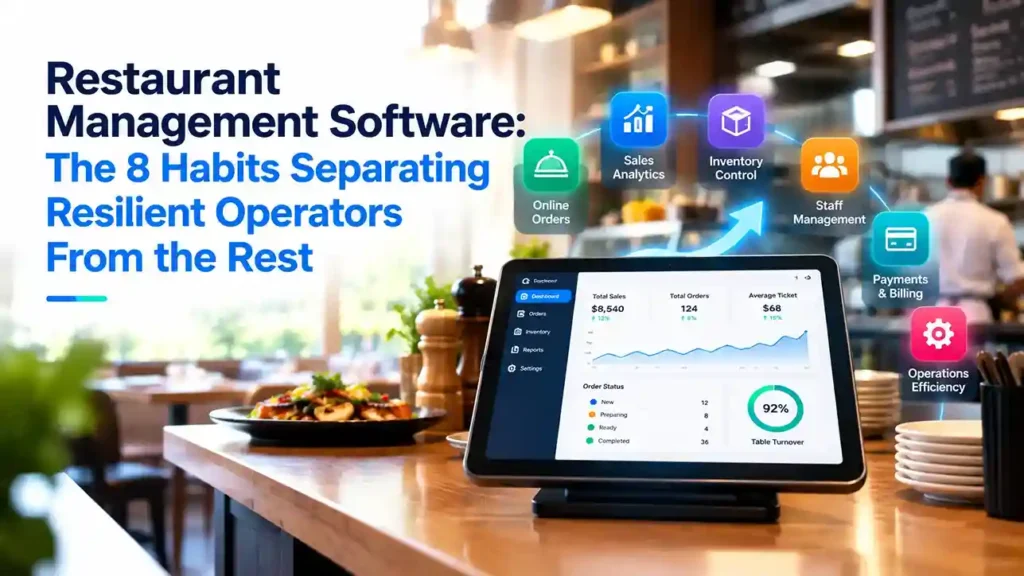
Hospitality Industry Software Solutions: Reduce Costs, Increase Revenue & Delight Every Guest

Running a restaurant has never been harder – or more full of opportunity. Margins are razor-thin, customer expectations are at an all-time high, and the operators pulling ahead are not working harder. They are working smarter, powered by the right hospitality industry software solutions. From quick-service counters to fine-dining establishments, cafes, bars, and multi-site food chains – every segment of the food and hospitality industry is under pressure to do more with less. Rising labour costs, food waste, no-show reservations, and negative online reviews can quietly bleed a profitable operation dry. But the restaurants and hospitality businesses that are growing – consistently and profitably – share one thing in common: they have replaced guesswork with data, manual processes with automation, and disconnected systems with a single, intelligent platform. That is exactly what Trident’s hospitality software solutions are built to deliver. Whether your priority is filling more covers, reducing kitchen waste, boosting loyalty, or scaling across multiple sites — this is the technology stack your operation needs. Why the Food & Hospitality Industry Needs Smarter Software Now The Real Cost of Outdated Restaurant Management Systems Most independent restaurants and hospitality groups are still running on fragmented systems – a separate POS here, a manual stock sheet there, a spreadsheet for staff scheduling. The hidden cost of this disconnection is enormous: over-ordering ingredients, understaffing peak hours, missing fraudulent transactions, and losing loyal customers to competitors who simply communicate better. The food and hospitality industry operates on margins as thin as 3–9%. In that environment, every percentage point of waste, every unfilled table, and every missed upsell opportunity is the difference between a profitable month and a loss. What Today’s Diners Actually Expect From Your Restaurant Today’s consumer does not just want a meal – they want an experience. They expect fresh ingredients year-round, personalized menu suggestions, seamless mobile reservations, flexible payment options, and fast delivery. And if they do not get it from you, they will get it from the restaurant down the street – and post about the comparison online. One bad review on TripAdvisor or Google can suppress bookings for weeks. One great loyalty campaign can drive repeat visits for months. The difference, in almost every case, comes down to the software powering your operation behind the scenes. Core Features of Industry-Leading Hospitality Software Increase Revenue With Targeted Marketing and Loyalty Programs Generic promotions no longer move the needle. Today’s most effective restaurant marketing is built on data – not guesswork. Trident’s hospitality software captures granular customer behavior data, allowing you to build laser-targeted campaigns, personalized offers, and loyalty rewards that actually drive repeat visits. Build and manage gift card and loyalty programmes that incentivize return visits Segment your customer base by visit frequency, spend level, and menu preferences Launch targeted promotions, meal deals, and seasonal campaigns with measurable ROI Power e-commerce and mobile loyalty programmes that keep your brand in your customer’s pocket Faster Table Turns and Smarter Reservation Management Every empty seat is lost revenue. Trident’s table management system gives your front-of-house team real-time visibility into table availability, party sizes, and turn times – so you can seat more covers per service without sacrificing the guest experience. Monitor live table status and match party size to table size automatically Integrate with OpenTable and other online booking platforms for 24/7, 365-day reservations Reduce no-shows with automated booking confirmations and reminders Increase revenue per service through smarter seating sequencing Reduce Labour Costs With Intelligent Workforce Forecasting Labour is typically the largest controllable cost in any hospitality operation. Trident’s workforce management tools help you forecast staffing needs based on historical covers, seasonal trends, and live booking data – so you are never overstaffed on a quiet Tuesday or understaffed on a bank holiday Friday. Forecast labour demand by day, shift, and station Reduce overtime costs through proactive scheduling Align staffing levels directly with reservation and walk-in data Better Waste Control and Inventory Management Food waste is one of the most damaging – and most preventable – costs in hospitality. Trident gives kitchen managers real-time visibility into stock levels, ingredient usage, and supplier orders – enabling smarter purchasing, reduced shrinkage, and tighter margin control. Manage stock efficiently and minimize ingredient shrinkage Plan menus in advance and rationalize ingredient orders based on demand forecasts Build digital supply chains that connect procurement directly to your POS data Multi-Site Management: Control Every Location From One Dashboard Running multiple sites should not mean managing multiple headaches. Trident’s multi-site capabilities give hospitality groups a single, unified view of performance across every location – with the ability to push menu changes, pricing updates, and promotional campaigns across your entire estate in seconds. End-to-end business reporting across all sites in real time Centralized menu management – update once, deploy everywhere Consistent brand standards and customer experience at every location Digital Transformation in the Restaurant Industry Digital transformation is no longer exclusive to banking, insurance, or retail. The restaurant and food service industry is being disrupted – fast – and operators who embrace technology now will define the new standard for hospitality excellence. How AI, Chatbots and Kiosks Are Reshaping Food Service The most forward-thinking restaurants in the world are already using artificial intelligence and automation to serve more customers, faster, with fewer errors: AI-driven self-service kiosks – Reduce customer wait times and empower guests to customize orders exactly as they want them. McDonald’s and Five Guys have demonstrated that kiosk adoption directly increases average order value Chatbots and virtual assistants – Automate order-taking via social media and messaging platforms. Taco Bell and Pizza Hut have successfully deployed chatbots to handle ordering at scale, freeing staff for higher-value service tasks AI-powered menu suggestions – Apps that learn a customer’s eating preferences and suggest personalized meals at the point of ordering – increasing upsell rates and satisfaction simultaneously Robotics in food preparation – AI-driven robots are increasing kitchen capacity and consistency, particularly in high-volume quick-service environments Digital signage – Eye-catching dynamic displays engage customers the moment they walk through the

Hospitality Industry Software Solutions: Reduce Costs, Increase Revenue & Delight Every Guest Read More »

Retail store using digital tools to enhance customer experience with personalized offers and seamless shopping.

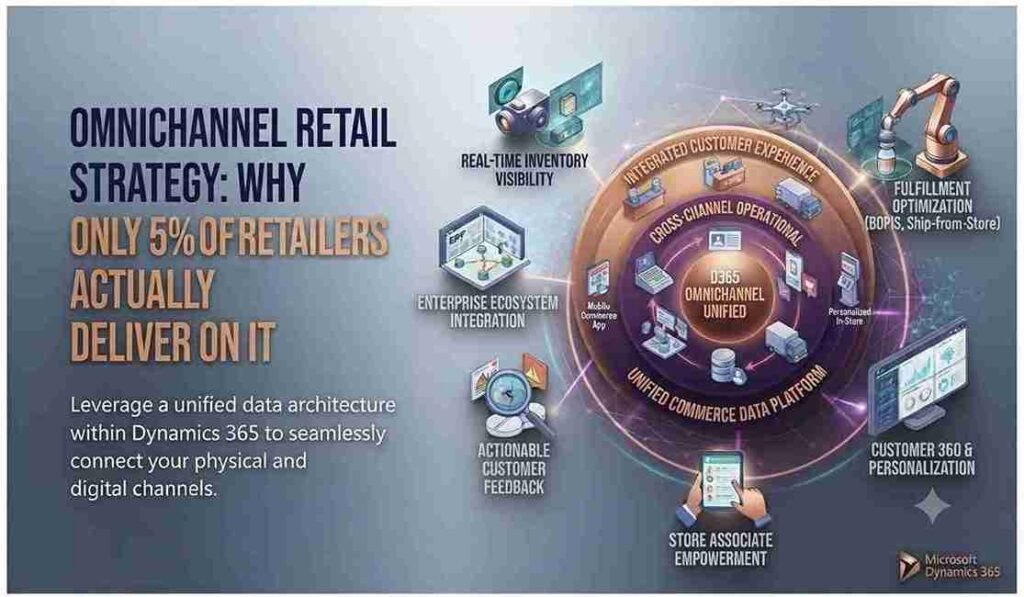
Reimagining the Modern Retail Customer Experience: What It Takes to Win Today

Retail is no longer just about products – it is about experiences. And in an era where a single negative review can reach thousands overnight, getting the modern customer experience right is not a competitive advantage; it is a survival requirement. Today’s retail executives face a brutal reality: the strategies that built loyal customer bases five years ago – points-based loyalty programs, seasonal promotions, in-store discounts – are no longer enough. Today’s consumer is digitally empowered, perpetually connected, and ruthlessly selective. They research before they walk in, compare while they browse, and share their verdict before they even get home. In fact, one in five consumers post a review after a purchase – shaping the decisions of thousands of future buyers. The retailers winning right now are not simply selling better. They are reimagining every touchpoint – from the first digital impression to the in-store interaction to the post-purchase follow-up – using integrated marketing analytics, connected digital experiences, and intelligent client engagement technologies. At the center of this transformation is Microsoft Dynamics – giving retail organizations the ability to unify online and in-store operations, run agile customer-first processes, and engage shoppers on their own terms across web, social, mobile, and in-app channels. The result is not just a better shopping experience. It is a lasting customer relationship built on relevance, speed, and trust. Why Traditional Retail Customer Engagement No Longer Works The Rise of the Empowered, Always-On Consumer The modern shopper is not walking into your store with an open mind – they are walking in with a fully researched shortlist. With endless product choices available at their fingertips and peer reviews just one scroll away, the balance of power has permanently shifted from retailer to consumer. This is the era of the customer. Technology has fundamentally transformed how people engage, connect, and make purchase decisions. Retailers who fail to recognize this shift are not just losing sales – they are losing relevance. Why Loyalty Programs Alone Are Failing Retailers Loyalty programs were once the golden ticket to repeat business. Today, the average consumer is enrolled in more than a dozen programs – and actively uses fewer than half of them. Points and perks are no longer differentiators. What drives loyalty now is personalization, convenience, and consistency across every channel a customer uses to interact with your brand. What a Modern Retail Customer Experience Actually Looks Like Unifying Online and In-Store Touchpoints A customer may discover your product on Instagram, research it on your website, check reviews on a third-party platform, and then walk into your store expecting the sales associate to know their preferences. That is not a futuristic scenario – that is Tuesday. A truly modern retail customer experience eliminates the friction between these touchpoints. Inventory visibility, purchase history, browsing behavior, and loyalty data must all flow into a single, unified view – accessible to every team member, at every channel, in real time. Using Marketing Analytics to Anticipate Customer Needs Reactive retail is dead. The most competitive retailers today are not responding to customer behavior – they are predicting it. Advanced marketing analytics tools embedded within platforms like Microsoft Dynamics allow retail teams to identify buying patterns, forecast demand, personalize promotions, and reduce churn before it happens. When you know what your customer wants before they do, the experience you deliver stops feeling like a transaction and starts feeling like a relationship. How Microsoft Dynamics Powers Retail Customer Engagement Microsoft Dynamics gives retail organizations an end-to-end framework to deliver the connected, agile, and personalized experiences today’s consumers demand. Here is what that looks like in practice: Engaging Customers Across Web, Mobile, Social and In-App Today’s retail customer does not think in channels – they think in experiences. Microsoft Dynamics bridges the gap between where your customer is and where your business operates, enabling your team to deliver relevant, timely, and personalized engagement – whether the customer is browsing your app at midnight or standing at your checkout counter at noon. Real Results: Retailers Winning With Connected Digital Experiences Retailers who have embraced connected, data-driven customer experience strategies are seeing measurable results: “Organizations that invest in unified retail customer experience platforms report significantly higher Net Promoter Scores and repeat purchase rates compared to those operating siloed systems.” How to Start Modernizing Your Retail Customer Experience Today Transforming your retail customer experience does not require rebuilding everything overnight. The most successful retailers start with three foundational moves: Ready to reimagine your retail customer experience? Our team at Trident Information Systems specializes in Microsoft Dynamics implementation for retail enterprises. Book a free consultation today and discover how quickly you can close the gap between where your customer experience is and where it needs to be. FAQs Q: What is modern retail customer experience? Modern retail customer experience refers to the complete journey a shopper has with a brand – across digital and physical touchpoints – from discovery to post-purchase. It encompasses personalization, omnichannel consistency, speed of service, and data-driven engagement. Q: How does Microsoft Dynamics improve retail customer engagement? Microsoft Dynamics unifies retail operations, customer data, and engagement channels into a single platform – enabling retailers to personalize experiences, respond faster to consumer behavior, and deliver consistent service across web, mobile, and in-store environments. Q: Why are loyalty programs no longer enough for retail customers? Today’s consumers are enrolled in multiple loyalty programs simultaneously and expect more than points and discounts. They demand personalized recommendations, seamless omnichannel experiences, and brands that anticipate their needs – not just reward their purchases.

Reimagining the Modern Retail Customer Experience: What It Takes to Win Today Read More »