
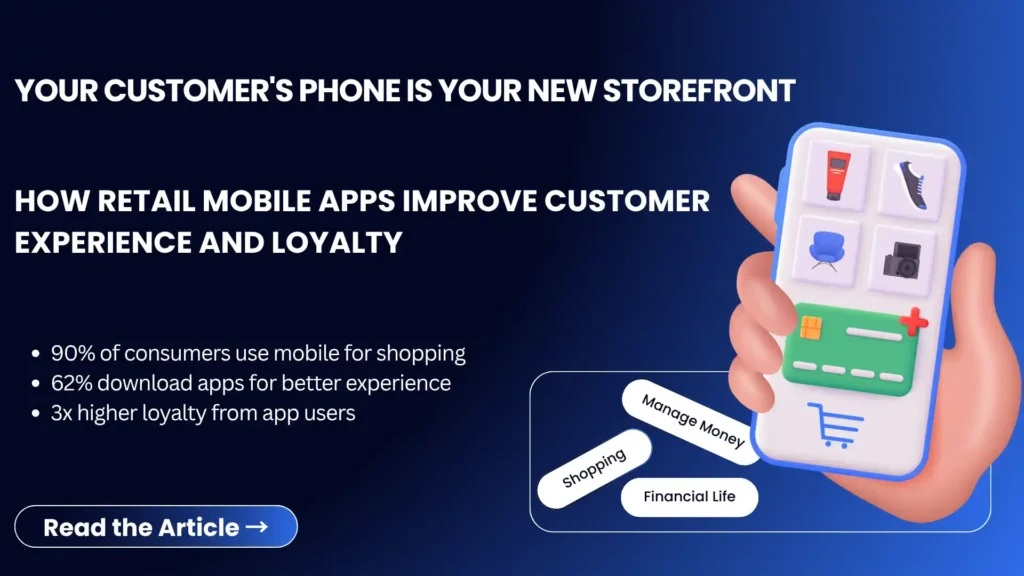
In today’s digital-first world, customers expect convenience, speed, and personalized experiences whenever they shop. With smartphones becoming an essential part of everyday life, retailers are rapidly adopting mobile applications to stay connected with customers and meet their evolving expectations.
Retail mobile apps are no longer just an additional sales channel—they have become a powerful tool for enhancing customer experience, increasing engagement, and building long-term customer loyalty. From personalized recommendations to seamless shopping journeys, mobile apps are transforming the way retailers interact with their customers.
In this article, we’ll explore how retail mobile apps are reshaping customer experiences and why investing in a retail app can help businesses gain a competitive advantage.
The Rise of Mobile Commerce in Retail
Mobile commerce, often referred to as m-commerce, has witnessed tremendous growth over the last few years. Consumers increasingly rely on their smartphones to browse products, compare prices, read reviews, and make purchases.
The convenience of shopping anytime and anywhere has made mobile devices the preferred shopping platform for millions of consumers worldwide. As mobile commerce continues to expand, retailers must embrace digital technologies that simplify shopping experiences and create stronger customer relationships.
Retail mobile apps play a crucial role in this transformation by providing customers with quick access to products, services, offers, and loyalty rewards directly from their smartphones.
Why Retail Mobile Apps Matter More Than Ever
Modern customers demand seamless shopping experiences across both online and offline channels. They want personalized interactions, faster checkout processes, and instant access to information.
A well-designed retail mobile app helps businesses meet these expectations by offering:
- Faster shopping experiences
- Personalized product recommendations
- Easy order tracking
- Digital loyalty programs
- Secure payment options
- Real-time notifications and offers
By delivering convenience and value, retailers can encourage repeat purchases and strengthen customer loyalty.
1. Enhanced Customer Experience Through Personalization
Personalization has become one of the most important factors influencing purchasing decisions. Customers are more likely to engage with brands that understand their preferences and provide relevant recommendations.
Retail mobile apps collect valuable customer insights such as browsing history, purchase behavior, and shopping preferences. This information enables retailers to deliver personalized experiences that make customers feel valued.
Examples of personalization include:
- Product recommendations based on previous purchases
- Customized promotions
- Personalized discount offers
- Location-based deals
- Targeted marketing campaigns
When customers receive relevant content and offers, they are more likely to remain engaged with the brand and make repeat purchases.
2. Loyalty Programs Become More Effective
Traditional loyalty cards are rapidly being replaced by digital loyalty programs integrated within mobile apps.
Retail mobile apps make it easier for customers to:
- Earn reward points
- Track loyalty balances
- Redeem rewards instantly
- Access exclusive member benefits
- Participate in promotional campaigns
A digital loyalty program encourages customers to shop more frequently because rewards are always accessible through their smartphones.
Retailers also gain valuable data that helps them understand customer behavior and improve future loyalty initiatives.
3. Improved Customer Engagement
Customer engagement is critical for long-term business success. Retail mobile apps provide direct communication channels that keep customers connected with the brand.
Features such as push notifications, in-app messages, and personalized alerts help businesses maintain regular interaction with their customers.
Retailers can use mobile apps to notify customers about:
- New product launches
- Limited-time discounts
- Seasonal promotions
- Loyalty rewards
- Order updates
Unlike email marketing, mobile notifications often achieve higher engagement rates because they reach customers instantly.
4. Faster and More Convenient Shopping
Convenience is one of the biggest reasons customers prefer mobile shopping.
Retail mobile apps simplify the purchasing process by offering:
- One-click ordering
- Saved payment methods
- Mobile wallets
- Quick product searches
- Easy checkout experiences
Customers can browse products, place orders, and make payments within minutes without visiting a physical store.
This convenience significantly improves customer satisfaction and increases the likelihood of repeat purchases.
5. Omnichannel Shopping Experience
Today’s consumers interact with brands through multiple touchpoints, including websites, social media platforms, physical stores, and mobile applications.
Retail mobile apps help create a seamless omnichannel experience by connecting all customer interactions into a single ecosystem.
Customers can:
- Browse online and buy in-store
- Check product availability
- Access purchase history
- Receive personalized recommendations
- Use loyalty rewards across channels
This consistency creates a more satisfying customer journey and strengthens brand loyalty.
6. Real-Time Customer Insights and Analytics
One of the biggest advantages of retail mobile apps is access to real-time customer data.
Retailers can track:
- Customer behavior
- Popular products
- Purchase frequency
- Cart abandonment rates
- Engagement levels
These insights help businesses make data-driven decisions that improve customer experiences and maximize revenue opportunities.
By understanding what customers want, retailers can continuously optimize their offerings and marketing strategies.
7. Competitive Advantage in a Digital Marketplace
The retail industry is becoming increasingly competitive. Businesses that fail to embrace mobile technology risk losing customers to competitors who offer more convenient shopping experiences.
A feature-rich retail mobile app allows businesses to differentiate themselves by providing:
- Superior customer service
- Personalized shopping experiences
- Faster purchasing processes
- Enhanced loyalty programs
- Greater customer convenience
Investing in retail app development helps businesses stay relevant and meet the expectations of today’s digitally empowered consumers.
Key Features Every Retail Mobile App Should Include
To maximize customer engagement and loyalty, retailers should consider incorporating the following features:
User-Friendly Interface
A simple and intuitive design ensures customers can easily navigate the app.
Personalized Recommendations
AI-driven recommendations improve customer satisfaction and increase sales.
Digital Loyalty Programs
Integrated rewards systems encourage repeat purchases.
Secure Mobile Payments
Multiple payment options improve convenience and trust.
Push Notifications
Real-time updates keep customers informed and engaged.
Order Tracking
Customers appreciate transparency throughout the purchasing journey.
Customer Support Integration
Instant assistance enhances the overall customer experience.
Future Trends in Retail Mobile Apps
As technology continues to evolve, retail mobile apps are becoming smarter and more sophisticated.
Emerging trends include:
- Artificial Intelligence (AI)
- Augmented Reality (AR) shopping experiences
- Voice-assisted shopping
- Predictive product recommendations
- Mobile self-checkout solutions
- Hyper-personalized marketing
Retailers that embrace these innovations will be better positioned to meet future customer expectations and drive long-term growth.
Conclusion
Retail mobile apps have become an essential tool for businesses seeking to improve customer experience, strengthen customer loyalty, and increase sales. By providing personalized experiences, convenient shopping journeys, and effective loyalty programs, mobile apps help retailers build stronger relationships with their customers.
As mobile commerce continues to grow, businesses that invest in retail app development will gain a significant competitive advantage. Whether your goal is to improve customer engagement, increase retention, or drive revenue growth, a well-designed retail mobile app can play a vital role in achieving success.
At Trident Information Systems, we help retailers leverage innovative technology solutions to create powerful mobile applications that enhance customer experiences and support long-term business growth. Want to build a customer-focused retail mobile app? Speak with Trident’s retail technology experts and discover how mobile commerce can increase loyalty, engagement, and revenue. For more insightful content and industry updates, follow our LinkedIn page.