Welcome to Trident Information Systems!
Write us to - info@tridentinfo.com
Let's Socialize

Search Results for: NAV TO BUSINESS CENTRAL

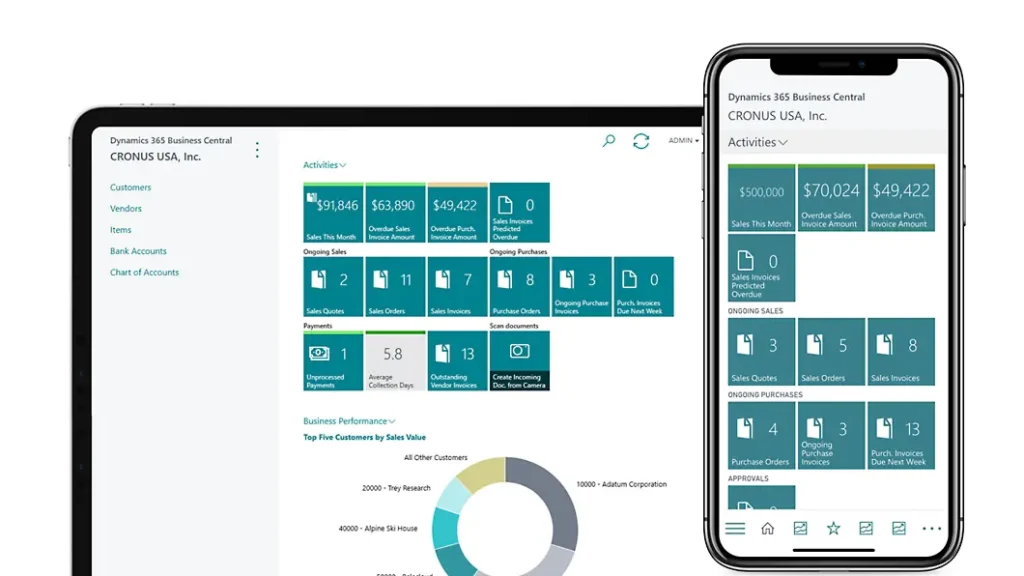
Dynamics 365: 2020 release wave 2 plan

The Dynamics 365 release plan for the 2020 release wave 2 describes all new features releasing from October 2020 through March 2021. You can either browse the release plan online or download the document as a PDF file. The PDF file also includes information about Power Apps, Power Automate, Power Virtual Agents, Power Platform governance and administration, and Common Data Model and data integration. The Microsoft Power Platform features coming in the 2020 release wave 2 have been summarized in a separate release plan as well as a downloadable PDF. 2020 release wave 2 overview The 2020 release wave 2 for Dynamics 365 brings new innovations that provide you with significant capabilities to transform your business. The release contains hundreds of new features across Dynamics 365 applications including Marketing, Sales, Customer Service, Field Service, Finance, Supply Chain Management, Human Resources, Commerce, Fraud Protection, and Business Central. Marketing Dynamics 365 Marketing improves the customer journey canvas experience and adds integration with Microsoft Teams for virtual events. Segmentation is enhanced with a new natural language experience to create and consume segments, helping eliminate the specialized skills needed to build complex segments. Sales Dynamics 365 Sales continues emphasis on simplified experiences, app integrations, gamification, a new mobile experience for quick access to customer information, and new enhancements to forecasting to natively create and manage bottom-up sales forecast processes. Dynamics 365 Sales Insights continues investments across multiple areas: sales acceleration, conversation intelligence, relationship intelligence, and advanced forecasting and pipeline intelligence with predictive lead and opportunity scoring to help sales teams uncover top deals. Dynamics 365 Product Visualize empowers sellers and accelerates complex sales processes by showcasing and customizing products in their real-world environment. Sellers can place a 3D digital twin of a product in their customer’s environment and make detailed notes about their requirements. Service Dynamics 365 Customer Service expands agent productivity capabilities enabling agents to engage in multiple sessions simultaneously. Omnichannel for Customer Service is enhanced with additional extensibility options to enable integration with mobile applications, Microsoft bot framework, and outbound messaging channels. Dynamics 365 Customer Service Insights adds new capabilities to help agents using similar case suggestions to resolve customer issues quickly and easily. A new analytical view for customer service managers helps them focus on key support areas that need attention. These highlights will also be included directly in the core Customer Service Hub app so that users can get insights in context without having to switch between applications. Dynamics 365 Field Service continues to add intelligence capabilities including a new Field Service dashboard for monitoring key KPIs and work order completion metrics. There are many user experience enhancements to enable proactive service delivery. The Field Service mobile app is enhanced with capabilities such as push notifications and real-time location sharing. This release wave also includes scheduling enhancements such as multiday manual scheduling and enhanced skill-based matching. Dynamics 365 Remote Assist expands its range of scenarios beyond calls, allowing technicians to perform activities such as capture service and repairs data, perform surveys and walk-throughs independently, and derive service insights from their service operations. Finance and Operations Dynamics 365 Finance continues to focus on automating common tasks to reduce the number of manual processes and add insights and intelligence in Finance. Asset leasing enhances the core capabilities of Finance and the global coverage for Finance continues to expand in this release wave. Dynamics 365 Supply Chain Management expands planning optimization for Manufacturing to perform supply and production planning in near real time with in-memory services. Enhancements to Product Information Management include engineering change management and product versioning capabilities. Cost Management includes new features that will enable global companies maintain multiple cost accounting ledgers by allowing dual currency and dual valuation. Enhancements to the job card device include a new user experience and a new feature to enable reporting serial numbers. Dynamics 365 Guides is focusing on intelligent workflows in this release wave. By taking advantage of data and AI innovations, work instructions can be configured to adjust on the fly based on operator inputs. In addition, insights will make it easier to use time-tracking data and connect that data to your business. Dynamics 365 Project Operations unifies operational workflows to provide the visibility, collaboration, and insights needed to drive success across teams from sales to finance. Project Operations connects your sales, resourcing, project management, and finance teams within a single application to win more deals, accelerate delivery, empower employees, and maximize profitability. Human Resources Dynamics 365 Human Resources expands leave and absence and benefits management capabilities to transform the employee experience. Employees and managers will be able to manage leave and absence directly from Microsoft Teams. This release wave enables streamlined integrations to recruiting and payroll partners, thereby building a Human Capital Management (HCM) ecosystem. Commerce Dynamics 365 Commerce continues to expand capabilities enabling non-developers to easily design and manage digital commerce experiences. Customers can increase lift online and in store with “Shop similar looks” for recommendations. Customers can discover and deploy third-party services, connectors, modules, and themes from Microsoft AppSource. Dynamics 365 Connected Store adds a number of new capabilities such as integration with Dynamics 365 Commerce, front-line worker task assignment and tracing with Microsoft Teams, integrated workflows with Microsoft Power Platform, intelligent command center, store analytics, and store insights solutions such as anomaly detection, inventory recommendations, and shift management recommendations. Fraud Protection Dynamics 365 Fraud Protection adds integration with Dynamics 365 Commerce and a new “manual review” capability that allows customers to use the Fraud Protection rules experience to flag transactions for review, and then allow expert human agents to consume and adjudicate those transactions. SMB Dynamics 365 Business Central investments for this release wave include service enhancements to meet the demands of a rapidly growing customer base, improved performance, handling of file storage, geographic expansion together with support for Group VAT, top customer-requested features, and deeper integration with Microsoft Teams. Customer data platform Dynamics 365 Customer Insights enables every organization to unify disparate data—be it transactional, observational or behavioral sources—to gain a single view of customers and derive intelligent insights that drive key business processes. Dynamics 365 Product Insights enables organizations to understand their customers’ journey, usage,

Dynamics 365: 2020 release wave 2 plan Read More »

Fashion inventory management software dashboard tracking stock levels, demand, and real-time inventory performance.

Fashion Inventory Management Software: 7 Ways to Reduce Stockouts & Overstock (2026)

Nothing frustrates a fashion customer like seeing “Out of Stock” on the product they want. And nothing frustrates a business owner like clearing out last season’s unsold inventory at 70% discount. Stockouts and overstock are two sides of the same costly problem – poor inventory visibility. The right inventory management software eliminates both by giving you real-time control across every location, season, and SKU. This 2026 guide reveals 7 proven ways fashion inventory management software keeps customers happy and cash flow healthy. The fashion industry’s biggest profit killers – stockouts and excess inventory – cost retailers 20-30% of potential revenue. Discover 7 proven strategies using Microsoft Dynamics 365 and LS Central to optimize inventory, reduce markdowns by 30%, and improve sell-through rates by 40%. A customer walks into your flagship store asking for a medium-size black dress from your new collection. “We’re sold out in medium, but we have it in small and large,” your sales associate says. The customer leaves. Sale lost. Meanwhile, in your warehouse, 47 extra-large versions of the same dress sit gathering dust – destined for a 50% markdown in three months. This scenario plays out thousands of times daily across fashion retail. Stockouts cost you full-price sales. Overstock costs you margin through markdowns. Together, they’re destroying 20-30% of your potential profit. But it doesn’t have to be this way. Fashion retailers using Microsoft Dynamics 365 Commerce and LS Central for Fashion are achieving 30% reduction in markdowns, 40% improvement in inventory turns, and 25% fewer stockouts – all while maintaining the agility that fashion demands. Here are the 7 proven strategies they’re using. 1. Size & Color Matrix Demand Forecasting Predict demand at the size-color-style level, not just aggregate SKU level The Problem: Aggregate Forecasting Fails in Fashion Traditional inventory systems forecast at the “style” level: “We’ll sell 500 units of the Spring Floral Dress.” But they ignore the matrix reality: The result? You buy 500 units distributed equally across all combinations. But demand isn’t equal: The LS Central Solution: Matrix-Level Demand Planning LS Central for Fashion uses historical sales data to forecast demand at the size-color-style combination level: How Microsoft Dynamics 365 Powers This Dynamics 365 Commerce integrates with LS Central to provide: Real Business Impact A pan-India women’s fashion chain with 45 stores implemented matrix-level forecasting and achieved: Pro Tip Start with your top 20% of styles (by revenue). Get matrix forecasting working accurately for these hero items first. Once proven, expand to mid-tier and basic items. This “crawl, walk, run” approach builds confidence and shows ROI fast. 2. Real-Time Inventory Visibility Across All Channels Enable “see now, buy now” with unified inventory across stores, e-commerce, and warehouses The Omnichannel Inventory Challenge Modern fashion retail operates across multiple channels: The problem: Each channel often has its own inventory system. Result = overselling, stockouts, customer frustration, and operational chaos. LS Central’s Unified Inventory Solution LS Central provides a single, real-time inventory pool visible across all channels: Store Inventory Visibility Every store sees real-time stock at all other stores. “This dress is sold out here, but our Indiranagar store has it in your size. Shall we ship it to you?” E-Commerce Integration Website shows accurate availability. If only 2 units left across entire chain, it shows “Only 2 left!” urgency message. Order Promising System intelligently sources orders from optimal location (nearest store, warehouse with excess stock, etc.) Auto-Replenishment When flagship store runs low on bestsellers, system automatically triggers transfer from warehouse or slow-moving stores Microsoft Dynamics 365 Commerce Capabilities Dynamics 365 Commerce orchestrates omnichannel fulfillment: 18% Increase in conversion rate when customers can see real-time stock availability (source: Microsoft Dynamics 365 Fashion Retail Study 2025) Microsoft Integration Advantage LS Central + Dynamics 365 Commerce + Power BI creates a complete ecosystem: Real-time inventory updates flow from POS to e-commerce in under 5 seconds. Store associates use mobile devices to check stock anywhere. Executives see live inventory dashboards showing velocity, aging, and stockout risk by SKU. 3. Dynamic Allocation Based on Store Performance Send the right inventory to the right stores, not equal distribution The Equal Distribution Trap Many fashion retailers distribute new inventory equally across all stores: Why this fails: LS Central’s Smart Allocation Engine LS Central allocates inventory based on predicted sell-through, not equal distribution: Allocation Factors: Example: Dynamic Allocation in Action New summer dress collection: 1,000 units across 25 stores Traditional equal allocation: 40 units per store LS Central smart allocation: Result: Flagship stores don’t run out in week 1. Small stores don’t get stuck with excess. Total sell-through improves by 25-35%. Microsoft Dynamics 365 AI Allocation Dynamics 365 Supply Chain Management adds intelligence: Pro Tip: Tiered Store Grading Classify stores into A/B/C tiers based on sales volume and strategic importance. A-tier stores get first access to new inventory and larger allocations. C-tier stores get basics and proven bestsellers. This maximizes sell-through while maintaining coverage across network. 4. Automated Replenishment for Core & Fashion-Basic Items Never run out of your bread-and-butter items while chasing trends The Fashion Product Lifecycle Not all fashion inventory behaves the same way: Fashion/Seasonal Items (60% of SKUs, 40% of revenue) Fashion-Basic Items (30% of SKUs, 40% of revenue) Core/Never-Out-of-Stock (10% of SKUs, 20% of revenue) LS Central’s Multi-Speed Replenishment LS Central manages each category differently: Auto-Replenishment for Core System monitors sales velocity and automatically triggers purchase orders or warehouse transfers when stock drops below min threshold. Example: Black skinny jeans reordered every 2 weeks. Performance-Based for Fashion-Basic After 2-4 weeks of sales data, system recommends reorder quantities for items selling above forecast. Poor performers get no replenishment – natural phase-out. One-Time Buy for Fashion Seasonal/trendy items purchased once based on forecast. System alerts when sell-through exceeds plan (reorder opportunity) or lags (markdown trigger). Microsoft Dynamics 365 Intelligent Replenishment Dynamics 365 Supply Chain Management adds sophistication: Case Study: Ethnic Wear Retailer A 32-store ethnic fashion chain implemented tiered replenishment strategy: 5. Intelligent Markdown Optimization Maximize recovery on slow-movers while protecting brand and margin The Markdown Dilemma Fashion retailers face a constant trade-off: LS Central Markdown Intelligence LS Central uses AI-powered markdown optimization to recommend: When to Mark Down How

Fashion Inventory Management Software: 7 Ways to Reduce Stockouts & Overstock (2026) Read More »

Best Pharmacy Management Software in 2026: Complete Comparison & Pricing Guide

Compare the top pharmacy management software, including Microsoft Dynamics 365, LS Central, Business Central, and industry-leading solutions. Find the perfect platform for prescription management, insurance billing, compliance, and retail operations. Your pharmacy management software isn’t just technology – it’s the operational backbone that processes every prescription, manages every insurance claim, tracks every expiry date, and handles every customer interaction. Choose the wrong system, and you’ll fight it daily: rejected claims, compliance violations, inventory errors, and frustrated staff. Choose the right one, and it becomes your competitive advantage. The pharmacy management software market in 2026 offers dozens of solutions: legacy on-premise systems (PioneerRx, Liberty, QS/1), modern cloud platforms (RxVantage, BestRx), and Microsoft-powered enterprise solutions (Dynamics 365, Business Central, LS Central) that unify pharmacy operations with back-office management, retail POS, and business intelligence. This guide focuses on helping you understand: which platforms dominate the market, why Microsoft solutions are increasingly preferred for pharmacy chains and growing businesses, what features are non-negotiable, how pricing actually works, and which system fits your specific pharmacy type and size. What Is Pharmacy Management Software? Pharmacy management software is a specialized ERP system designed to handle the unique complexities of pharmacy operations — from prescription processing and insurance billing to inventory management, regulatory compliance, and retail sales. Why Generic POS or ERP Systems Fail in Pharmacies Pharmacies have requirements that generic retail or healthcare systems simply can’t handle: Prescription Management E-prescribing, refill automation, drug interaction checking, sig code translation, and clinical decision support. Insurance Billing Real-time adjudication, NCPDP D.0 claims, rejection resolution, Medicare Part D, Medicaid, PBM integration. Regulatory Compliance HIPAA, DEA controlled substance tracking, DSCSA drug traceability, state board reporting, expiry management. Inventory Control Lot and serial tracking, automated reordering from wholesalers (Cardinal, McKesson, ABC), expiry alerts, FEFO/FIFO. Retail Operations Point of sale for OTC products, loyalty programs, omnichannel (in-store, online, mobile), customer management. Analytics & Reporting DIR fee tracking, margin analysis by drug, prescription volume trends, payor mix, inventory turnover, profitability by location. Platform vs. Best-of-Breed Approach Some pharmacies use separate systems for dispensing, POS, and back-office (best-of-breed). Others prefer unified platforms like LS Central or Dynamics 365 that handle everything in one database. Unified platforms eliminate integration headaches but may have fewer specialized features. Choose based on your IT resources and complexity tolerance. Must-Have Features Every Pharmacy Needs in 2026 Not all pharmacy management software is created equal. Here are the non-negotiable features any modern system must include: ✓ Core Features Checklist Advanced Features (Competitive Differentiators) Microsoft Solutions: Dynamics 365, Business Central & LS Central for Pharmacy Microsoft offers three pharmacy-capable platforms, each designed for different business sizes and operational complexity: LS Central for Pharmacy (Recommended for Most) Best for: Independent pharmacies, regional chains (2-50 locations), and pharmacies that also run retail stores What It Is: LS Central is a unified retail and pharmacy platform built on Microsoft Dynamics 365 Business Central. It’s specifically designed for pharmacies and includes pharmacy-specific features out-of-the-box. Pricing: $50,000-$200,000 implementation + $200-$500/user/month licensing (typically 5-15 users) Timeline: 3-6 months implementation for standard deployment Microsoft Dynamics 365 Finance & Operations (Enterprise ERP) Best for: Large pharmacy chains (50+ locations), pharmaceutical distributors, hospital pharmacy systems When to Choose D365 F&O Over LS Central: Key Capabilities: Note: Dynamics 365 F&O requires pharmacy-specific add-ons or customization for prescription processing, insurance billing, and clinical features. It’s overkill for most pharmacies unless you’re enterprise-scale. Pricing: $150,000-$500,000+ implementation + $300-$500/user/month Microsoft Dynamics 365 Business Central (SMB ERP) Best for: Small independent pharmacies that need basic accounting/inventory but use separate pharmacy-specific software for dispensing Business Central is the ERP foundation that LS Central is built on. If you use a standalone pharmacy system (like PioneerRx or Liberty) but need better financial management, Business Central can handle: Pricing: $70-$120/user/month + $10,000-$50,000 implementation Why Choose Microsoft Over Competitors? Microsoft platforms integrate seamlessly with tools your staff already uses (Excel, Outlook, Teams, OneDrive). You get enterprise-grade security, HIPAA compliance out-of-the-box, and the ability to add modules (HR, advanced analytics, customer insights) without replacing your core system. Plus, Microsoft’s cloud infrastructure (Azure) offers 99.9% uptime and disaster recovery capabilities that standalone pharmacy vendors can’t match. Top 10 Pharmacy Management Software Systems Compared Here are the leading pharmacy management platforms in 2026, ranked by market share, features, and customer satisfaction: LS Central for Pharmacy Best All-in-One Platform Custom enterprise pricing PioneerRx Best for Independent Pharmacies $650 per month (single location) Liberty Software Best for Small Chains $799 per month (single location) QS/1 Best Legacy System $599 per month (single location) Dynamics 365 F&O Best Enterprise ERP $300+ per user/month BestRx Best Cloud Platform $499 per month RxVantage Best for Compounding $899 per month Cerner PharmNet Best for Hospital Pharmacies Custom enterprise pricing ComputerRx Best Budget Option $399 per month Business Central Best Back-Office ERP $70 per user/month Feature Comparison: Microsoft vs. Competitors Here’s how LS Central and Microsoft solutions stack up against leading pharmacy systems: Feature LS Central PioneerRx Liberty D365 F&O Prescription Processing ✓ Built-in ✓ Excellent ✓ Strong ✗ Requires add-on E-Prescribing (EPCS) ✓ Surescripts ✓ Surescripts ✓ Surescripts △ Custom integration Insurance Billing (NCPDP) ✓ Native ✓ Excellent ✓ Strong △ Custom Multi-Location Management ✓ Unlimited △ Limited (5-10) ✓ Good (20+) ✓ Enterprise scale Retail POS Integration ✓ Unified platform △ Basic POS ✓ Integrated ✓ D365 Commerce Financial Management (ERP) ✓ Full ERP ✗ Basic accounting △ Limited ✓ Advanced Omnichannel (Online/Mobile) ✓ Native △ Mobile app only △ Third-party ✓ D365 Commerce Business Intelligence ✓ Power BI △ Basic reports △ Standard reports ✓ Power BI Microsoft 365 Integration ✓ Seamless ✗ None ✗ None ✓ Native Cloud Hosting (Azure) ✓ HIPAA-compliant △ Third-party △ Optional ✓ Azure native Typical Implementation 4-6 months 4-8 weeks 6-12 weeks 12-18 months Best For Growing chains (5-50 stores) Single location independents Small chains (2-10 stores) Enterprise (100+ locations) Pricing Models: What You’ll Actually Pay Pharmacy software pricing varies dramatically. Here’s the realistic breakdown: Monthly Software Licensing Implementation Costs (One-Time) Hidden Costs to Budget For Total Cost of Ownership (TCO) Examples Single Independent Pharmacy (1 location): PioneerRx: $650/month × 36 months + $10K implementation

Best Pharmacy Management Software in 2026: Complete Comparison & Pricing Guide Read More »

CFO reviewing financial dashboards while planning migration from Dynamics AX to D365 Finance and Operations to protect cash flow.

The CFO’s Guide: Moving from Dynamics AX to D365 F&O Without Disrupting Cash Flow

A financial executive’s roadmap to migrating from legacy Dynamics AX to D365 Finance & Operations — managing costs, timelines, and operational continuity without risking your quarter. Why CFOs Can’t Delay the AX to D365 Migration Let’s address the question every CFO asks: “Can we push this migration to 2027 or 2028?” Technically, yes. Microsoft extended support for Dynamics AX 2012 runs through October 2027. But waiting until the deadline is a financial mistake for three reasons: 1. Implementation Partners Are Already Booked Solid The best Dynamics 365 implementation partners are scheduling projects 9-12 months out. If you wait until 2026, you’ll be competing with hundreds of other companies for limited partner capacity. The result? Higher costs, longer wait times, and settling for second-tier partners. 2. Your Competitors Are Gaining Operational Advantages Now Companies that migrated to D365 F&O in 2023-2024 are already seeing benefits: faster financial close (30-40% reduction), automated cash flow forecasting, real-time reporting, and AI-powered insights. Every quarter you delay is a quarter they’re pulling ahead operationally. 3. Running Unsupported Software Is a Compliance and Security Risk After October 2027, Microsoft will no longer provide security patches or compliance updates for AX 2012. For publicly traded companies or those in regulated industries (finance, healthcare, government contracting), running unsupported ERP software creates audit failures, regulatory violations, and cybersecurity exposure that can’t be insured away. Real Cost of Waiting A mid-market manufacturer delayed their AX migration until 2026. By the time they started procurement, their preferred implementation partner was fully booked. They settled for a less experienced firm, the project ran 4 months over schedule, and the budget overrun was 42%. The CFO later admitted: “We saved nothing by waiting. We just made it more expensive and more painful.” The Window Is Closing If you start planning now (Q1-Q2 2025), you can execute a controlled migration in 2025-2026 with your choice of partners, negotiated pricing, and phased implementation that protects cash flow. If you wait until 2026, you’re at the mercy of whoever has capacity and whatever they charge. The Financial Risks of Poor Migration Planning ERP migrations fail not because of technology, but because of poor financial planning and unrealistic expectations. Here are the hidden costs that blindside CFOs who treat this as an IT project instead of a business transformation: 35% Average budget overrun on poorly planned ERP migrations 4-6 Months of reduced productivity during cutover (if poorly managed) $250K+ Hidden costs (training, data cleanup, process redesign) Where Migrations Blow Up Financially 1. Underestimating Data Migration Complexity Your AX database has 10-15 years of transactional data, custom fields, and integrations that won’t migrate cleanly. Data cleanup, mapping, and validation typically accounts for 25-35% of total project cost — but most initial budgets allocate only 10-15%. 2. Ignoring Change Management & Training Your finance team has muscle memory built around AX 2012. D365 F&O workflows are different — not just an upgrade, but a new way of working. Without proper training, you’ll see: data entry errors, missed closing deadlines, and team frustration that leads to turnover. Budget 15-20% of total project cost for training and change management. 3. Customizations That Don’t Transfer Every custom report, workflow, or integration in AX needs to be rebuilt or replaced in D365. Some can be replaced with out-of-the-box D365 features (good). Others require custom development (expensive). A thorough customization audit before migration prevents budget surprises. 4. Not Planning for Dual-System Operations During migration, you’ll run AX and D365 in parallel for 1-3 months. This means: double data entry, reconciliation between systems, and extra staff hours. Factor this into both budget and resource planning. CFO Pro Tip Add a 20-25% contingency to your initial migration budget. This isn’t pessimism — it’s reality. The projects that come in on budget are the ones that planned for the unexpected from day one. The ones that blow up are the ones where the CFO insisted on an “aggressive” budget to impress the board. Real-World Migration Costs: What You’ll Actually Pay Every CFO wants a number. Here it is — with the caveat that your actual costs depend on company size, complexity, and how much custom work you’ve done in AX. Migration Cost Breakdown (Mid-Market Company, $50M-$500M Revenue) Total Migration Budget D365 F&O Licensing (annual) $100K – $300K Implementation Services $250K – $750K Data Migration & Cleanup $75K – $150K Customizations & Integrations $100K – $300K Training & Change Management $50K – $100K Project Management (Internal) $75K – $125K Contingency (20%) $130K – $345K Total First-Year Cost $780K – $2.07M Cost Variables That Move the Needle Benchmark Reality Check According to Panorama Consulting’s 2024 ERP Report, the average mid-market D365 F&O implementation costs $850K and takes 10 months. Companies that budget below $500K or plan for under 6 months are setting themselves up for failure. Price competitively, but don’t chase the lowest bid — it always costs more in the end. Protecting Cash Flow: Phasing & Payment Structures The worst financial mistake CFOs make is treating ERP migration as a single, massive capital expenditure. Instead, structure it as a phased investment that aligns payments with deliverables and minimizes cash flow impact. Payment Structure Strategy Option 1: Milestone-Based Payments (Recommended) Tie payments to project milestones, not calendar dates. This protects you if the project runs late and aligns vendor incentives with your success. Milestone Payment % When Contract Signing 10-15% Upfront deposit Design Approval 20-25% After solution design sign-off UAT Completion 25-30% After user acceptance testing Go-Live 20-25% Day 1 of production use Post-Go-Live (30 days) 15-20% After stabilization period Option 2: Quarterly Phasing (For Budget Predictability) Spread payments across fiscal quarters to smooth cash flow impact. Negotiate fixed quarterly payments regardless of project progress — this shifts schedule risk to the vendor but requires careful SOW definition. Licensing: Annual vs. Monthly Payment Microsoft offers both annual and monthly D365 F&O licensing. CFOs often default to annual payments for the discount (typically 10-12%), but monthly payments provide flexibility during migration: This approach costs slightly more in Year 1 but provides optionality if

The CFO’s Guide: Moving from Dynamics AX to D365 F&O Without Disrupting Cash Flow Read More »

AI-powered CCTV video analytics with real-time alerts and reporting.

Best Video Analytics Software for CCTV: Features, Pricing & Integration

A comprehensive guide to choosing AI-powered video analytics software for your existing CCTV infrastructure — covering features, pricing models, integration requirements, and ROI expectations. If you’ve invested in CCTV cameras for your business, warehouse, retail store, or facility, you already have the hardware foundation for something much more powerful: AI-powered video analytics. Traditional CCTV systems simply record footage. Video analytics software transforms those cameras into intelligent sensors that can detect events, count people, recognize faces, monitor safety compliance, and alert you to security threats — all in real time, without human monitoring. The challenge? There are dozens of video analytics solutions on the market, each with different capabilities, pricing structures, and integration requirements. Some work seamlessly with your existing cameras. Others require expensive hardware replacements. Some offer basic motion detection. Others provide advanced AI-powered analytics like heat mapping, crowd density analysis, and behavioral anomaly detection. This guide will help you navigate the options, understand what features matter for your use case, and choose the right video analytics software without overpaying or getting locked into the wrong system. What Is Video Analytics Software for CCTV? Video analytics software — also called surveillance camera analytics, AI video analytics, or intelligent video analytics — is software that analyzes live or recorded video feeds from your CCTV cameras and automatically detects specific events, objects, or behaviors. Instead of requiring human operators to watch hours of footage, video analytics software uses computer vision and artificial intelligence to understand what’s happening in the video feed and trigger alerts or actions based on predefined rules. How It Works Video analytics software sits between your CCTV cameras and your monitoring system. It processes the video stream in real time, identifying: When the software detects something significant, it triggers an alert (email, SMS, push notification) or initiates an automated response (locking doors, sounding alarms, recording specific camera feeds). Key Difference: Edge vs. Server-Based Analytics Edge analytics runs on the camera itself or a local device, processing video at the source. Server-based analytics processes video on a centralized server or cloud platform. Edge is faster and more privacy-friendly; server-based is more flexible and scalable for large deployments. Why Upgrade from Basic CCTV to AI-Powered Analytics? Traditional CCTV systems are passive. They record footage, and if something goes wrong, you review the recordings after the fact. By the time you see the incident, the damage is done. AI-powered video analytics turns your cameras into proactive monitoring systems. Here’s what changes: Real-Time Alerts Get notified the moment something happens — not hours later when you review footage. Stop incidents before they escalate. Reduce Labor Costs Eliminate the need for 24/7 human monitoring. AI watches your cameras and only alerts you when something requires attention. Actionable Insights Understand traffic patterns, peak hours, customer behavior, and operational bottlenecks — data you can’t get from passive recording. Enhanced Security Detect intrusions, abandoned objects, perimeter breaches, and suspicious behavior automatically — even in low-light conditions. Real-World ROI Examples Core Features to Look For in Video Analytics Software Not all video analytics platforms are created equal. Here are the must-have features and nice-to-have advanced capabilities you should evaluate: Essential Features (Must-Have) Security & Surveillance People & Vehicle Analytics Advanced Features (Nice-to-Have) Beware of Feature Bloat Many vendors advertise 50+ features, but you’ll realistically use 5–7. Focus on what solves YOUR problems — don’t pay for capabilities you won’t use. Start simple and scale up as needed. 1. Security & Surveillance (All Industries) 2. Retail Stores 3. Manufacturing & Warehouses 4. Healthcare Facilities 5. Office Buildings & Corporate Campuses Integration Guide: Will It Work With Your Existing Cameras? This is the #1 question businesses ask: “Can I use my existing CCTV cameras, or do I need to replace everything?” The good news: Most modern video analytics software works with existing IP cameras, as long as they meet basic technical requirements. Camera Compatibility Checklist Requirements for Analytics Compatibility Common Integration Scenarios Scenario 1: Modern IP Cameras (2018+) Compatibility: Excellent. Most analytics software will work out of the box.Action: Verify ONVIF compliance and check vendor compatibility list. Scenario 2: Older IP Cameras (2015–2018) Compatibility: Likely compatible, but may have limitations (lower resolution, slower processing).Action: Test with a pilot deployment before full rollout. Scenario 3: Analog Cameras Compatibility: Not directly compatible.Action: Use a video encoder or hybrid NVR to convert analog signals to IP, OR upgrade cameras. Scenario 4: Mix of Camera Types Compatibility: Partial compatibility.Action: Deploy analytics on compatible IP cameras first; upgrade analog cameras as budget allows. What About NVR/DVR Integration? Many analytics platforms integrate with your existing NVR (Network Video Recorder) or VMS (Video Management System). The software pulls video streams from the NVR rather than connecting directly to each camera. This simplifies deployment and centralizes management. Pricing Models: What You’ll Actually Pay Video analytics pricing varies widely based on deployment model, features, and scale. Here’s a breakdown of common pricing structures: Per Camera / Month $15–$50 per camera/month Per Server License $5K–$25K one-time + annual support Enterprise Custom Custom negotiated pricing Hidden Costs to Account For Total Cost of Ownership (TCO) Don’t just compare software licensing costs. Calculate TCO over 3–5 years, including hardware upgrades, storage, bandwidth, support, and training. A cheaper solution upfront can be more expensive long-term if it requires proprietary cameras or lacks scalability. Top Video Analytics Software Solutions Compared Here’s a high-level comparison of leading video analytics platforms. Note that this is not exhaustive — there are dozens of solutions, but these represent the most established and widely deployed options. Platform Deployment Key Strengths Best For Pricing Milestone XProtect On-Premise Open platform, wide camera compatibility Mid-large enterprises Per server license Genetec Security Center On-Prem / Cloud Unified security (access control + video) Corporate campuses Custom enterprise Eagle Eye Networks Cloud Easy deployment, no servers needed Small-mid businesses Per camera/month Verkada Cloud (Hybrid) Plug-and-play, modern UI, built-in cameras Offices, retail chains Per camera/year OpenALPR On-Prem / Cloud License plate recognition specialist Parking, logistics Per camera/month Custom AI Solutions On-Premise Tailored to specific use cases Niche industries Custom project-based How to Choose Don’t pick based on brand recognition alone. Define your use case,

Best Video Analytics Software for CCTV: Features, Pricing & Integration Read More »

Modern ERP optimizing inventory and production in sweet manufacturing.

7 Biggest Challenges in Sweet Manufacturing (And How Modern ERP Solves Them)

From recipe consistency to seasonal demand spikes — here’s what every halwai, mithai shop, and namkeen manufacturer struggles with, and the technology that’s changing the game. If you run a sweet shop, halwai business, or namkeen manufacturing unit, you already know this: the sweet industry is unlike any other. You’re not just managing inventory or sales — you’re juggling perishable ingredients, complex recipes, seasonal demand swings, and quality standards that can make or break your reputation. A single batch that tastes different from the last can cost you loyal customers. Overproduction during slow months leads to waste. Underproduction during Diwali or Eid means lost revenue and disappointed buyers. And all of this has to happen while meeting food safety regulations, managing multiple retail outlets, and keeping costs under control. These aren’t small operational hiccups — they’re challenges that directly impact your bottom line, your brand, and your ability to scale. The good news? Modern ERP systems — specifically designed for food manufacturing and retail — are solving these problems for sweet businesses across India and beyond. In this article, we’ll break down the 7 biggest challenges sweet manufacturers and retailers face, and show you exactly how technology is transforming traditional mithai businesses into efficient, profitable operations. Recipe Consistency Across Every Batch This is the number one challenge every sweet manufacturer faces. Your gulab jamun, barfi, or namkeen needs to taste exactly the same whether it’s made on Monday or Friday, by your head chef or a new team member, in your flagship outlet or a branch location. But traditional sweet businesses rely on master halwais who carry recipes in their heads — or worse, on handwritten notebooks that get lost, stained, or misinterpreted. When that expert takes a day off or leaves the company, the recipe knowledge leaves with them. The Real Problem Inconsistent recipes lead to complaints, returns, and lost customers. A customer who buys your ladoo expecting a specific taste and texture will go elsewhere if the next batch is different. In the sweet business, consistency IS your brand. Why this happens: How ERP Solves This Modern ERP systems include recipe management modules that digitize every formulation. You define exact ingredient quantities, preparation steps, and quality checkpoints. When a batch is produced, the system ensures the correct ratios are used — every single time. If you need to substitute an ingredient, the system recalculates quantities automatically and tracks the change. No guesswork. No inconsistency. Managing Perishable Inventory Without Waste Unlike most manufacturing industries, sweet businesses deal with ingredients and finished products that have extremely short shelf lives. Milk, khoya, fresh fruits, nuts — these expire fast. Finished sweets can’t sit on shelves for weeks. Every day that passes reduces quality and increases the risk of spoilage. The challenge gets worse when you operate multiple outlets. How do you ensure each location has enough stock to meet demand without overproducing? How do you track expiry dates across warehouses and retail counters? The Real Problem Inventory wastage directly eats into your profit margins. If you throw away 10% of your daily production due to expiry or overstock, you’re essentially giving away 10% of your revenue. For most sweet shops, this can mean lakhs of rupees lost every year. Common inventory nightmares: How ERP Solves This ERP systems track inventory in real-time across all locations. You get automatic alerts when ingredients are approaching expiry dates. The system uses FIFO (First In, First Out) logic to ensure older stock is used first. Demand forecasting — based on historical sales data — helps you produce the right quantities. You can see exactly what’s in each outlet, what’s in transit, and what needs to be ordered — all from a single dashboard. Seasonal Demand Planning (Diwali, Eid, Weddings) The sweet industry is intensely seasonal. During Diwali, your sales might spike by 400%. During Eid or wedding season, you’re operating at maximum capacity. But for most of the year, demand is steady and predictable. This creates a planning nightmare. How much raw material should you stock before the festive rush? How many extra workers do you need? Which products will sell the most? If you under-prepare, you lose sales. If you over-prepare, you’re stuck with excess inventory that goes to waste. The Real Problem Missing the festive season rush is catastrophic for sweet businesses. Diwali alone can account for 30–40% of annual revenue for many shops. Stockouts during this period don’t just lose immediate sales — they push customers to competitors, potentially losing them forever. Why seasonal planning fails: How ERP Solves This ERP systems use historical data and demand forecasting to predict seasonal spikes accurately. You can see which products sold best last Diwali, how much raw material you needed, and when orders peaked. The production scheduling module helps you ramp up capacity ahead of time. Inventory is pre-ordered based on forecasts. Labor planning is optimized. Instead of reacting to chaos, you’re prepared weeks in advance. Food Safety Compliance & Batch Traceability Food safety isn’t optional — it’s the law. FSSAI regulations in India (and similar laws globally) require sweet manufacturers to maintain full traceability from raw materials to finished products. If there’s a quality issue or a customer complaint, you need to be able to trace which batch it came from, which ingredients were used, and when it was produced. For traditional sweet businesses operating on paper records or memory, this is almost impossible. When an inspector shows up, or a customer reports a problem, can you instantly pull up the production history? The Real Problem Non-compliance with food safety regulations can result in heavy fines, license suspension, or even business closure. Beyond legal risks, a single contamination incident — if not handled with proper traceability — can destroy your brand reputation overnight. Compliance challenges: How ERP Solves This ERP systems automate batch tracking and compliance. Every ingredient lot is logged when it arrives. During production, the system records which ingredients went into which batch. If a quality issue arises, you can instantly trace the entire supply chain — which supplier, which production date, which retail outlets received it. Quality control

7 Biggest Challenges in Sweet Manufacturing (And How Modern ERP Solves Them) Read More »

Cloud ERP migration checklist ensuring data integrity for SMBs.

Cloud ERP Migration Checklist: 10 Steps to Ensure Data Integrity for SMBs

Introduction: Why Data Integrity Is the Backbone of Cloud ERP Migration Moving to a cloud ERP system feels a bit like relocating your entire business to a new city. You’re excited about better infrastructure, lower costs, and room to grow—but there’s also anxiety. What if something important gets lost during the move? For small and medium-sized businesses (SMBs), that “something” is usually data. Customer records, financial transactions, inventory details, supplier contracts—this information is the lifeblood of daily operations. If data integrity breaks during migration, everything downstream suffers. Data integrity isn’t just about preventing data loss. It’s about ensuring that information remains accurate, consistent, complete, and trustworthy throughout the migration process and beyond. A single duplicated invoice or mismatched customer record can ripple through accounting, reporting, and decision-making. SMBs often operate with lean teams and tight margins, so even small data errors can become expensive problems. Cloud ERP migration adds another layer of complexity. Unlike traditional on-premise systems, cloud platforms involve data transfers over networks, integrations with third-party tools, and new security models. Without a structured checklist, migrations can quickly turn chaotic. That’s why a step-by-step approach is critical. Think of it as a flight checklist—pilots don’t skip steps, no matter how experienced they are. This guide walks you through a practical, SMB-friendly cloud ERP migration checklist with a sharp focus on data integrity. These ten steps are designed to help you move confidently, avoid common pitfalls, and come out the other side with clean, reliable data that actually supports growth rather than slowing it down. Step 1: Define Clear Migration Goals and Data Integrity Standards Before touching a single database or exporting any files, you need clarity. Many ERP migrations fail not because of technology, but because of fuzzy goals. SMBs often jump into migration driven by urgency—legacy systems are slow, expensive, or unsupported. But urgency without direction is risky. Start by defining why you’re migrating to a cloud ERP. Are you aiming for real-time reporting? Better inventory accuracy? Easier scalability? Lower IT overhead? Each goal influences how data should be handled. For example, if real-time analytics is a priority, historical data accuracy becomes non-negotiable. Once goals are clear, translate them into data integrity standards. This means defining what “good data” looks like for your business. Accuracy ensures data reflects reality. Consistency means the same data tells the same story across modules. Completeness ensures no critical fields are missing. Timeliness ensures data is up to date. These standards act like guardrails throughout the migration. Document these expectations and share them with stakeholders, vendors, and internal teams. When everyone agrees on what success looks like, decisions become easier. You’ll know which data is worth migrating, which needs cleaning, and which can be archived. This upfront alignment saves time, money, and frustration later in the process. Step 2: Conduct a Comprehensive Data Audit Before Migration A cloud ERP migration is not the time to carry digital clutter into a shiny new system. Yet many SMBs do exactly that, migrating years of unused, outdated, or incorrect data simply because “it’s always been there.” A data audit helps you avoid this trap. Begin by identifying all data sources feeding into your current ERP environment. These may include accounting systems, CRM platforms, inventory tools, spreadsheets, and even manual databases maintained by departments. You might be surprised how much shadow data exists outside the core system. Next, categorize data into what’s essential, what’s useful, and what’s unnecessary. Redundant, obsolete, and trivial (ROT) data adds risk without value. Old vendor records, inactive customers, or discontinued product lines often don’t need to make the journey. Removing them reduces migration complexity and improves performance in the new system. A thorough audit also uncovers data quality issues—duplicates, missing fields, inconsistent formats, and outdated values. Treat this step like a health check. The goal isn’t perfection, but awareness. When you know what you’re working with, you can plan cleaning, mapping, and validation more effectively. This audit sets the foundation for a successful, integrity-driven migration. Step 3: Cleanse and Standardize Data for Cloud Readiness If your data were a house, cleansing would be the deep clean before moving day. It’s not glamorous, but it’s essential. Dirty data migrated into a cloud ERP doesn’t magically improve—it usually becomes more visible and more damaging. Start with deduplication. Duplicate customer records, suppliers, or SKUs can distort reports and confuse users. Use automated tools where possible, but don’t underestimate the value of human review for critical records. Accuracy matters more than speed here. Next, correct errors and fill in missing values. Inconsistent addresses, incorrect tax codes, or incomplete product descriptions can break workflows in the new system. Standardization is equally important. Decide on naming conventions, date formats, units of measure, and currency representations. Cloud ERP systems thrive on uniformity, and standardized data ensures smoother automation and reporting. This step can feel time-consuming, especially for SMBs with limited resources. But think of it as an investment. Clean, standardized data improves user adoption, system performance, and decision-making from day one. Skipping this step is like pouring clean water into a dirty glass—you’ll never get the clarity you expect. Step 4: Choose the Right Cloud ERP Platform for SMB Needs Not all cloud ERP platforms are created equal, especially when it comes to data integrity. SMBs need solutions that balance robustness with simplicity. Choosing the wrong platform can introduce unnecessary complexity and risk. Evaluate vendors based on their data security measures, compliance certifications, and track record with SMBs. Look for built-in validation rules, audit trails, and data governance features. These tools act as safety nets, preventing bad data from entering or spreading within the system. Scalability and integration capabilities also matter. Your cloud ERP should integrate smoothly with CRM, e-commerce, payroll, and analytics tools. Poor integrations often lead to manual workarounds, which increase the risk of data errors. Finally, consider vendor support and migration assistance. A provider experienced in SMB migrations understands common pitfalls and can guide you through best practices. The right platform doesn’t just store your

Cloud ERP Migration Checklist: 10 Steps to Ensure Data Integrity for SMBs Read More »

Cloud vs. Edge AI visual inspection workflow showing data processing at the edge and in the cloud for faster quality control decisions.

Cloud vs. Edge AI: Where Should Your Visual Inspection Data Actually Live?

Introduction to Visual Inspection Data in the Age of AI Visual inspection has quietly become the backbone of modern quality control. From detecting microscopic defects on a pharmaceutical blister pack to spotting cracks in automotive components, visual data decides whether products pass or fail. But here’s the real question most businesses struggle with—where should all this inspection data actually live? With AI stepping into the picture, companies are now choosing between Cloud AI and Edge AI. Think of it like deciding whether to store your valuables in a central bank vault or keep them in a safe right next to you. Both options sound good, but the right choice depends on what you’re protecting and how fast you need access. What Is Visual Inspection Data? Visual inspection data includes images, videos, and metadata captured by cameras, sensors, and machine vision systems. This data is analyzed to detect defects, deviations, or inconsistencies in products or processes. In high-speed production lines, this data is generated continuously and in massive volumes. Because this data directly impacts product quality and compliance, where it is processed and stored matters more than ever. A delay of even milliseconds can mean defective products slipping through the line. Why AI Is Transforming Visual Inspection Traditional rule-based inspection systems were rigid and error-prone. AI-powered visual inspection systems learn patterns, improve over time, and adapt to new defect types. They don’t just “see”; they understand context. AI turns raw visual data into actionable intelligence. But AI models need computing power, fast decision-making, and reliable data access. That’s where the Cloud vs. Edge debate begins. Understanding Cloud AI What Is Cloud AI? Cloud AI refers to AI models and data processing hosted on centralized cloud servers. Visual inspection data is sent from cameras or machines to the cloud, where powerful algorithms analyze it and send results back. How Cloud AI Processes Visual Data In cloud-based setups, images and videos are uploaded to remote servers. These servers run advanced AI models, often using GPUs, to analyze defects, patterns, and trends. Results are stored centrally and accessed by teams across locations. This approach is like sending your raw materials to a massive factory that can process anything—but it’s not always nearby. Key Benefits of Cloud AI Cloud AI shines when it comes to scalability. You can process huge volumes of visual data without worrying about hardware limits. It also makes centralized monitoring easier, especially for multi-plant operations. Another big advantage is advanced analytics. Cloud platforms are ideal for training AI models, running historical analysis, and generating insights that improve long-term quality strategies. Limitations of Cloud AI for Visual Inspection Latency is the biggest concern. Sending data to the cloud and waiting for a response may be too slow for real-time inspection. Even a small delay can disrupt fast-moving production lines. There’s also the issue of data security and compliance. Transmitting sensitive inspection data over networks can raise red flags, especially in regulated industries. Understanding Edge AI What Is Edge AI? Edge AI processes data locally, right where it is generated—on cameras, industrial PCs, or edge devices. Instead of sending images to the cloud, the AI model runs on-site and makes instant decisions. How Edge AI Handles Visual Inspection Data With Edge AI, cameras capture images and immediately analyze them using embedded AI models. Defects are detected in real time, and actions—like rejecting a product—happen instantly. It’s like having a quality expert standing next to every machine, making decisions on the spot. Key Benefits of Edge AI Speed is the biggest win. Edge AI delivers ultra-low latency, making it perfect for real-time inspection. There’s no dependency on internet connectivity, which means fewer disruptions. Edge AI also enhances data security. Since data stays on-site, the risk of exposure is significantly reduced, making compliance easier. Limitations of Edge AI Edge devices have limited computing power compared to cloud servers. This can restrict complex analytics and large-scale AI model training. Managing and updating AI models across multiple edge devices can also be challenging without a centralized strategy. Cloud vs. Edge AI: Core Differences Data Latency and Speed Edge AI wins hands down when milliseconds matter. Real-time defect detection simply works better at the edge. Cloud AI, while powerful, introduces unavoidable delays. If your production line runs at high speed, edge processing isn’t optional—it’s essential. Data Security and Compliance Keeping sensitive visual inspection data on-site reduces compliance risks. Industries like pharmaceuticals and food manufacturing often prefer Edge AI for this reason. Cloud AI can still be secure, but it requires strict governance, encryption, and compliance controls. Scalability and Infrastructure Costs Cloud AI scales effortlessly. You pay for what you use and expand as needed. Edge AI requires upfront investment in hardware and ongoing maintenance. However, edge solutions can reduce long-term data transfer costs, especially with high-volume visual data. Reliability and Downtime Risks Edge AI continues working even if the network goes down. Cloud AI depends on stable connectivity, which can be a single point of failure. For mission-critical inspection, reliability often tips the scale toward edge computing. Where Should Your Visual Inspection Data Live? Real-Time Manufacturing Environments In fast-paced manufacturing, decisions must happen instantly. Edge AI is the clear choice here, ensuring defective products are caught before they move further down the line. Latency is the enemy of quality in such environments. High-Volume, Multi-Site Operations Cloud AI works well when you need centralized visibility across multiple plants. It enables standardization, benchmarking, and performance comparisons at scale. Many global manufacturers rely on cloud platforms for strategic oversight. Regulated Industries Like Pharma and Food Compliance requirements often dictate where data lives. Edge AI helps maintain data sovereignty and reduces audit complexities. Cloud AI still plays a role in reporting and compliance documentation. AI Model Training vs. AI Model Execution A smart approach is training AI models in the cloud and deploying them at the edge. This balances performance with scalability. Think of the cloud as the brain gym and the edge as the athlete in action. The Hybrid Approach:

Cloud vs. Edge AI: Where Should Your Visual Inspection Data Actually Live? Read More »

Dynamics AX to F&O migration guide for CFOs focusing on no-surprise budgeting.

Dynamics AX to F&O Migration: The “No-Surprise” Budgeting Guide for CFOs

Introduction The shift from Microsoft Dynamics AX to Dynamics 365 Finance & Operations (F&O) is more than just an upgrade—it’s a business transformation that impacts financial planning, operational workflows, compliance readiness, data architecture, and long-term growth strategies. For CFOs, budgeting for a Dynamics AX to F&O Migration can feel like navigating a maze filled with hidden costs, unclear timelines, and complex decision points. The goal is simple: migrate without financial surprises. But achieving that requires a clear roadmap, accurate cost forecasting, strong governance, and an understanding of the true scope behind this cloud-driven move. This guide breaks down the financial blueprint needed to ensure your migration is predictable, transparent, and fully aligned with organizational goals. Understanding the True Scope of AX to F&O Migration What Makes AX to F&O Different? Migrating from Dynamics AX to Dynamics 365 Finance & Operations ( AX to F&O Migration ) is not just a technical upgrade—it’s a full digital transformation. The platform moves from on-premise architecture to a cloud-native system, completely changing licensing models, database handling, integrations, and customization frameworks. This shift means the migration process touches nearly every department, workflow, and financial model within the organization. Why CFOs Need a No-Surprise Budgeting Approach CFOs face increasing pressure to allocate budgets precisely, with minimal tolerance for overruns. AX to F&O migrations often exceed budgets due to overlooked complexities, hidden customizations, or underestimated data issues. A no-surprise budgeting approach ensures financial visibility from day one and prevents unexpected spikes during execution. Key Financial Risks Hidden in Migration Projects Migration projects often hide financial risks such as underestimated data cleanup costs, redevelopment of custom functionalities, integration rework, and performance testing challenges. These may not surface until the mid-project stage, leading to sudden budget shocks. Identifying them upfront is key to maintaining financial control. Core Budget Influencers Every CFO Must Know Several elements shape the true migration cost—data volume, number of integrations, industry-specific processes, compliance requirements, user adoption levels, and partner capabilities. Each of these should be evaluated early, as they determine 70–80% of overall expenses. Pre-Migration Assessment: The Foundation of a Predictable Budget Existing System Audit and Data Complexity A thorough system audit identifies how many AX modules are actively used, how much historical data must be moved, and what level of cleansing is required. Without this assessment, CFOs risk approving budgets that are thousands of dollars off target. Customizations, ISVs, and Integrations Audit AX environments often carry years of custom code and third-party ISVs. Not all of these carry forward to F&O. A detailed technical analysis helps determine which components need redevelopment, replacement, or retirement—directly influencing cost structures. Infrastructure Readiness and Cloud Requirements Shifting to cloud means rethinking security layers, compliance requirements, and performance scaling. CFOs must account for Azure subscription costs, sandbox environments, disaster recovery configurations, and multi-region deployments. GAP Analysis and Budget Alignment After reviewing the current AX environment, a GAP analysis highlights what is missing compared to F&O’s standard features. This helps CFOs decide where to invest—custom rebuilds, standard adoption, or process redesign—ensuring the budget reflects real needs. Cost Breakdown: What Really Drives Migration Expenses Licensing and Subscription Costs The subscription model for D365 F&O varies based on modules, user types, and organizational size. CFOs should plan multi-year licensing budgets and forecast future cost increments. Dynamics 365 pricing shifts frequently, making forward-planning essential. Data Migration and Cleanup Costs Data migration is often the single most underestimated cost area. Companies with large AX databases or poor data hygiene face more hours of cleansing, validation, and transformation. Customization Rebuild Costs Customizations built in X++ on AX may need redevelopment due to F&O’s extension-based model. Each customization must be reviewed, rewritten, and tested—adding to overall costs. Integration Redevelopment Costs Legacy integrations using direct SQL calls no longer work in F&O. Rebuilding them using the new OData, DMF, or custom API structures requires development effort, impacting budgets significantly. User Training, Testing, and Change Management Costs A modern ERP requires behavior shifts from employees. Training sessions, user acceptance testing, and process documentation cost both time and money but are essential for a smooth transition. Partner Costs and Project Governance Costs A significant portion of the cost comes from consulting fees, project oversight, and functional + technical resources. Transparent partner costing prevents future disputes and surprise charges. Building a No-Surprise Budgeting Framework Fixed vs Variable Cost Planning Separating fixed and variable cost blocks helps CFOs create forecasting models. Fixed components include licensing, cloud subscription, and some partner fees, while variable costs cover customizations, data challenges, and integration scope. Cost Buffers and Contingencies Every migration contains uncertainties. Adding a contingency buffer—typically 10–20%—ensures financial safety without affecting the project timeline. Timeline-Based Budgeting Mapping costs along the project timeline gives CFOs better visibility into when peak financial activity will occur. This helps with cash flow planning and approvals. Prioritization Model for CFOs A prioritization matrix allows CFOs to categorize items into must-have, good-to-have, and optional features. Budget-responsible decision-making depends on controlling customization sprawl. Strategies to Prevent Scope Creep and Overruns Strong Project Governance A governance board ensures that decisions are controlled, risks are reviewed, and budgets remain intact. Without this, every stakeholder may add requests, spiraling cost and time. Change Request Management CFOs must insist on a structured change request process where every new requirement demands justification, cost estimation, and approval. Stakeholder Alignment and Communication Clear communication prevents misunderstanding and scope misalignment. Regular updates also allow CFOs to catch issues early. Avoiding Customization Inflation The biggest source of budget overrun is unnecessary custom development. Adopting standard F&O processes where possible saves significant money. Selecting the Right Migration Partner What CFOs Should Look for in a Partner The right partner understands industry specifics, brings proven templates, and maintains transparent costing models. Their role directly determines the accuracy of your budget. Red Flags to Avoid Beware of partners who offer vague cost sheets, unrealistic timelines, or underpriced proposals. These are early signs of future budget surprises. Ensuring Transparent Cost Reporting Weekly or monthly financial dashboards help the CFO track burn rates and

Dynamics AX to F&O Migration: The “No-Surprise” Budgeting Guide for CFOs Read More »

Aptean ERP optimizing distillery workflows including aging, bottling, and batch blending.

Aptean ERP for Distillers: Master Aging, Bottling, and Batch Blending—All in Real Time

Introduction to Aptean ERP for Distillers In the distillery business, success depends on delivering consistent quality while managing complex processes like aging, bottling, and batch blending. Yet these operations often rely on manual tracking, disconnected systems, and guesswork that slow down production and affect product consistency. Aptean ERP changes the game by giving distillers real-time visibility, automation, and precision at every stage. With this powerful ERP solution, distilleries can improve efficiency, maintain compliance, and ensure every bottle reflects the brand’s perfect craftsmanship. What Makes Distillery Operations Complex? Distilleries manage long production cycles, aging timelines, and strict regulations. Each stage, from fermentation to bottling, has its own challenges that can impact product consistency. Without proper systems, it becomes difficult to maintain control and quality across batches. Why Distillers Need Real-Time Visibility Real-time visibility helps distillers understand what’s happening at every moment—whether it’s aging progress, inventory levels, or bottling schedules. This reduces delays and improves decision-making. It ensures that production stays aligned with demand. The Rise of Industry-Specific ERP Solutions Traditional ERPs often fail to address the unique needs of distilleries. This led to the growth of specialized ERPs built specifically for beverage alcohol production. These systems offer targeted features for aging, compliance, and blending. How Aptean ERP Stands Out Aptean ERP offers real-time intelligence tailored to distilleries. It centralizes production, quality, and compliance into one platform. Teams can manage operations with precision, reducing errors and improving efficiency. Understanding the Distillery Workflow From Fermentation to Aging Distillers work through multiple steps, each requiring careful monitoring. Fermentation must stay within set conditions, distillation needs controlled processes, and aging demands patience. Aptean helps ensure every stage stays aligned. Bottling and Packaging Challenges Bottling operations often face issues such as stock shortages, line delays, and labeling errors. Without automation, these problems become frequent and costly. Aptean ERP streamlines bottling workflows to prevent disruptions. Importance of Batch Blending Accuracy Batch blending determines flavor, strength, and quality. Even small deviations can change the final product. Aptean automates blend management so every batch stays consistent with brand standards. Compliance, Taxation & Reporting Burdens Distilleries deal with strict excise duties, labeling laws, and regulatory audits. Aptean ensures compliance by automating documentation and traceability. It simplifies government reporting and reduces compliance risks. Key Features of Aptean ERP for Distillers Real-Time Batch Tracking Aptean tracks each batch from raw materials to final bottling. This improves traceability and makes quality issues easier to manage. It also allows rapid recall if needed. Barrel Management for Aging The system monitors barrel locations, fill dates, and maturation data. This eliminates spreadsheets and reduces manual effort. Distillers gain full visibility into aging performance. Automated Bottling Line Management Aptean schedules bottling lines and synchronizes material availability. It prevents downtime caused by missing supplies or workforce misalignment. Production becomes smoother and more predictable. Quality Control Automation Quality checks are automated and recorded in real time. Any deviation triggers alerts so teams can respond quickly. This helps maintain high product standards. Master Aging With Aptean ERP Complete Visibility Into Barrel Inventory Barrel aging involves thousands of data points. Aptean centralizes barrel status, location, and specifications. This saves time and improves decision-making. Monitoring Maturation Data Aging performance varies based on temperature, humidity, and barrel type. Aptean records these factors and provides insights for optimal flavor development. It makes maturation more predictable. Reducing Losses and Angel’s Share Angel’s share is unavoidable, but excess losses are preventable. Aptean identifies unusual evaporation trends. Early detection helps distillers take quick action. Forecasting Barrel Readiness Aptean uses real-time data to predict when barrels will reach peak readiness. This helps teams plan bottling and blending schedules. It ensures timely product releases. Streamlining Bottling Operations Real-Time Bottling Line Scheduling The system automates line schedules and adjusts for capacity. It helps prevent bottlenecks and ensures smooth production flow. Teams work more efficiently with clear timelines. Managing Packaging Inventory Bottling requires labels, caps, cartons, and glass. Aptean tracks these materials and alerts when stocks are low. This prevents costly production delays. Labeling, Compliance & Certification Label accuracy is critical for regulatory and branding compliance. Aptean automates labeling details based on batch data. It ensures products meet legal and market standards. Preventing Production Line Delays Production delays can occur due to machine issues or missing materials. Aptean offers real-time alerts to avoid interruptions. This improves overall production reliability. Achieving Perfect Batch Blending Recipe Management Automation Aptean stores blending formulas digitally and enforces accurate measurement. This ensures each batch follows the correct recipe. It reduces human error. Consistency Across Every Blend Consistency is the foundation of brand loyalty. Aptean maintains blend parameters across all batches. It ensures flavor profiles remain uniform. Real-Time Strength, Flavor & Quality Checks Alcohol content and flavor must stay within acceptable ranges. Aptean records these values instantly during blending. Teams can fix issues before bottling. Batch Costing and Profitability Knowing batch costs helps distillers price products correctly. Aptean breaks down ingredient, labor, and overhead expenses. This improves financial clarity. Real-Time Intelligence Across the Distillery Centralized Data for Faster Decisions All departments access a single source of truth. This eliminates information silos and improves collaboration. Decision-making becomes quicker and more accurate. Real-Time Alerts and Notifications The system alerts users about deviations, shortages, or quality concerns. This helps avoid unexpected issues. Teams can act quickly to fix problems. Mobile & Cloud Access Aptean works on mobile devices, allowing teams to access data anywhere. This increases flexibility on the shop floor. Cloud access also improves remote management. Role-Based Dashboards for Teams Supervisors, managers, and operators see dashboards relevant to their responsibilities. This makes navigation easier and speeds up daily tasks. Everyone stays focused on what matters. Inventory & Supply Chain Optimization Managing Raw Ingredients The system tracks grain, yeast, and other materials with precision. It ensures availability for production. This prevents unexpected shortages. Predictive Demand Planning Aptean uses AI to forecast future demand. This helps distillers plan production more accurately. It also reduces excess inventory. Warehouse Process Automation Barcode scanning and automated tracking improve warehouse accuracy. Errors decrease, and

Aptean ERP for Distillers: Master Aging, Bottling, and Batch Blending—All in Real Time Read More »