Welcome to Trident Information Systems!
Write us to - info@tridentinfo.com
Let's Socialize

LS Central Partner in india

Retail store manager using retail management software dashboard to track inventory, sales, and store performance.

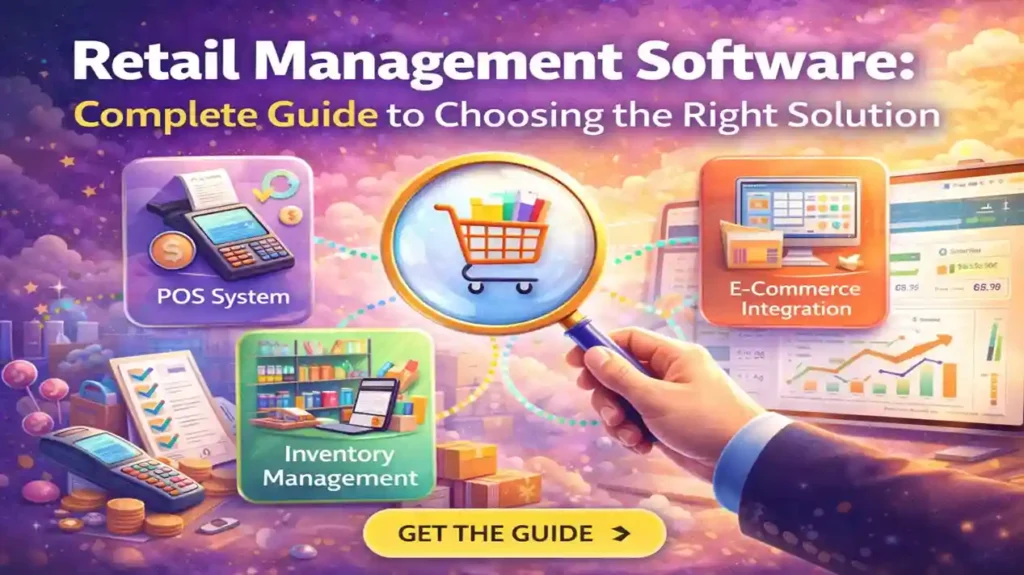
Retail Management Software: Complete Guide to Choosing the Right Solution

Everything you need to know about selecting retail management software in 2026 — from core features and pricing to Microsoft Dynamics 365 solutions, LS Central, and implementation best practices. Running a retail business in 2026 without modern software is like trying to compete in Formula 1 with a bicycle. Your competitors have real-time inventory visibility, omnichannel integration, AI-powered demand forecasting, and automated reordering. Meanwhile, you’re still counting stock manually, reconciling spreadsheets, and wondering why customers are buying online instead of in your store. The retail management software market is crowded with options: cloud-based platforms, legacy on-premise systems, industry-specific solutions, and everything in between. Pricing ranges from $50/month for basic POS systems to $500,000+ for enterprise implementations. Features vary wildly. And every vendor claims to be “the best.” This guide cuts through the noise. Whether you’re a single-store boutique, a multi-location chain, or a retail-manufacturing hybrid, you’ll learn exactly what to look for, which solutions dominate the market, and how Microsoft-powered retail solutions (Dynamics 365 Commerce and LS Central) stack up against the competition. 1. What Is Retail Management Software? (And What It Actually Does) Retail management software is a unified platform that connects all aspects of retail operations — from point of sale (POS) and inventory management to customer relationship management (CRM), e-commerce, and financial reporting — into a single system. Think of it as the operating system for your retail business. Instead of using separate tools for sales, stock tracking, customer data, accounting, and online orders, retail management software consolidates everything into one integrated solution. What Modern Retail Software Actually Does Point of Sale (POS) Process transactions, accept payments, manage discounts, print receipts, handle returns — all from in-store terminals, mobile devices, or web-based interfaces. Inventory Management Real-time stock tracking across all locations, automated reordering, transfer management, barcode scanning, lot/serial tracking, and stock level alerts. Customer Management (CRM) Customer profiles, purchase history, loyalty programs, personalized promotions, email marketing integration, and behavior analytics. Omnichannel Commerce Unify online and offline sales — buy online pick up in store (BOPIS), endless aisle, unified inventory, consistent pricing across all channels. Reporting & Analytics Sales dashboards, inventory reports, customer insights, profit margins, employee performance tracking, and predictive analytics. Financial Integration Automatic accounting sync, tax calculation, expense tracking, financial close automation, and compliance reporting. Why “Retail Management Software” vs. Just “POS”? A POS system handles transactions. Retail management software handles your entire business — sales, inventory, customers, employees, finances, and online/offline integration. If you’re running multiple stores or selling online, a basic POS won’t cut it. You need full retail management. 2. Why Your Retail Business Needs Modern Software in 2026 If you’re still using spreadsheets, legacy software from 2010, or disconnected point solutions for different parts of your business, you’re bleeding money and losing customers. Here’s why: 1. Customers Expect Omnichannel Experiences 72% of consumers shop across multiple channels before making a purchase (Google, 2024). They want to: Without integrated retail software, you can’t deliver this. You lose sales to competitors who can. 2. Manual Inventory Management Costs You 20-30% in Lost Sales Running out of popular items while overstocking slow-movers is expensive. Modern retail software uses AI-powered demand forecasting to predict what you’ll sell and when, automatically generating purchase orders before you run out. 3. Data-Driven Decisions Beat Gut Feel Every Time Which products are most profitable? Which promotions actually drive sales? Which employees convert best? Which store locations outperform? Modern software answers these questions with real-time dashboards and analytics — no more guessing. 4. Labor Costs Are Rising — Automation Is Essential Retail labor costs have increased 15-20% since 2020. Automating repetitive tasks (inventory counts, reordering, customer email campaigns, financial reporting) lets you do more with fewer staff hours. 5. Compliance & Security Requirements Are Stricter PCI-DSS for payment security, GDPR/data privacy regulations, tax compliance, and audit trails are mandatory. Modern retail software handles these automatically — legacy systems don’t. The Cost of Doing Nothing A mid-sized retailer (5-10 stores, $10M revenue) using outdated systems typically loses $150K-$300K annually in: stockouts and overstocking ($80K-$150K), manual labor inefficiency ($40K-$80K), customer churn from poor experience ($20K-$50K), and missed online sales opportunities ($10K-$20K). The software pays for itself in year one. 3. Core Features Every Retail Management System Must Have Not all retail software is created equal. Here are the non-negotiable features any modern solution must include: ✓ Essential Features Checklist Advanced Features (Nice to Have) 4. Cloud vs. On-Premise: Which Deployment Model Is Right for You? This is one of the first decisions you’ll face. Here’s the honest breakdown: Factor Cloud-Based On-Premise Upfront Cost Low ($0-$5K) High ($20K-$100K+) Monthly Cost $50-$500/month per location $0 (after purchase) Implementation Time 1-4 weeks 2-6 months Updates & Maintenance Automatic, free Manual, $5K-$20K/year Accessibility Anywhere with internet Only on-site or via VPN Scalability Add stores instantly Requires hardware/licenses Internet Dependency Required (offline mode limited) Works offline Data Control Vendor-hosted Full control on your servers Customization Limited to vendor options Unlimited (with developers) Our Recommendation For 95% of retailers, cloud-based is the right choice. Lower upfront cost, faster implementation, automatic updates, and no IT infrastructure to maintain. The only exceptions: 5. Microsoft Retail Solutions: Dynamics 365 Commerce & LS Central Microsoft offers two primary retail solutions built on the Dynamics 365 platform. Here’s how they differ and which one is right for you: Microsoft Dynamics 365 Commerce Best for: Mid-market to enterprise retailers with complex omnichannel operations, especially those already using other Dynamics 365 modules (Finance, Supply Chain, Customer Service). Key Capabilities: Ideal Customer Profile: Enterprise retailers (50+ stores or $100M+ revenue), omnichannel brands, B2C companies needing sophisticated digital commerce. Pricing: Custom enterprise pricing (typically $150K-$500K+ implementation, $5K-$20K/month ongoing licensing). LS Central (by LS Retail, built on Dynamics 365 Business Central) Best for: Small to mid-market retailers in specialized verticals (fashion, grocery, hospitality, fuel/convenience) who need industry-specific functionality out of the box. Key Capabilities: Ideal Customer Profile: Growing retailers (1-50 stores), fashion/apparel brands, grocery chains, specialty retail, hospitality businesses. Pricing: $50K-$150K implementation, $200-$500/user/month (typically 5-20 users). Which Microsoft Solution Should You Choose? Your Situation Recommended Solution 1-20 stores, fashion/apparel vertical LS Central Grocery,

Retail Management Software: Complete Guide to Choosing the Right Solution Read More »

Restaurant Management System

The role of LS Central ERP in streamlining purchasing and vendor management for restaurants

Streamlining purchasing and vendor management is critical for any restaurant to ensure timely and efficient operations. Restaurants need to be able to manage inventory, purchase orders, invoices, and payments effectively to run their business smoothly. However, manual processes can be time-consuming and error-prone. That’s where LS Central ERP comes in. In this article, we will explore the role of LS Central ERP in streamlining purchasing and vendor management for restaurants. LS Central ERP provides a comprehensive vendor management system that allows restaurants to manage their vendors effectively. Here are some of the key features of LS Central ERP that help with vendor management: What is LS Central ERP? LS Central ERP is an enterprise resource planning system designed specifically for the food and beverage industry. It provides a comprehensive suite of features to help restaurants manage their business operations efficiently. LS Central ERP is an all-in-one solution that includes point-of-sale, inventory management, purchasing, accounting, and reporting. Why is LS Central ERP important for restaurants? LS Central ERP helps restaurants streamline their purchasing and vendor management processes. It provides a single, centralized system for managing all aspects of purchasing, from creating purchase orders to receiving goods and paying invoices. By automating these processes, restaurants can reduce the time and effort required to manage their supply chain, minimize errors, and improve efficiency. How does LS Central ERP help with purchasing & Vendor management? LS Central ERP streamlines the entire purchasing process, from creating purchase orders to receiving goods and paying invoices. Here are some of the key features of LS Central ERP that help with purchasing: Automated Purchase Orders LS Central ERP allows restaurants to automate the creation of purchase orders based on inventory levels, sales forecasts, and historical data. This helps restaurants ensure that they always have the right amount of inventory on hand. Automated Ordering LS Central ERP comes with an automated ordering feature that eliminates manual ordering processes, reducing the chances of errors and discrepancies. The system can automatically generate purchase orders based on inventory levels, ensuring that restaurants never run out of stock. It can also automatically create vendor invoices, streamlining the entire procurement process. Centralized Procurement LS Central ERP provides a centralized platform for restaurant procurement. It allows restaurant owners and managers to manage their purchasing from a single location, making it easier to keep track of inventory and orders. With centralized procurement, restaurants can streamline their supply chain management and ensure that they have the right products at the right time, while avoiding stockouts. Real-Time Inventory Management An LS Central ERP provides real-time inventory management, allowing restaurant owners and managers to track inventory levels in real-time. This helps them avoid stockouts and overstocking, both of which can be costly. Real-time inventory management also provides insights into which products are selling well, which products are not, and which products need to be restocked. Improved Vendor Management LS Central ERP helps restaurants manage their vendors more efficiently. The system can store vendor information, including contact details, pricing, and order history. This helps restaurant owners and managers keep track of their vendors and maintain a good relationship with them. The system can also automatically generate purchase orders based on vendor agreements, ensuring that restaurants get the best possible pricing. Cost Control An LS Central ERP helps restaurants control costs by providing real-time data on inventory levels and vendor pricing. The system can help restaurant owners and managers make informed purchasing decisions, minimizing waste and reducing costs. With LS Central ERP, restaurants can optimize their supply chain management and improve their profitability. Streamlined Reporting LS Central ERP provides a range of reporting options, allowing restaurant owners and managers to generate reports on purchasing, inventory, and vendor management. This helps them make informed decisions about their operations and identify areas for improvement. The system can also generate reports on sales, customer behavior, and employee performance, providing insights into all aspects of restaurant operations. Vendor Management LS Central ERP provides a comprehensive vendor management system that allows restaurants to manage their vendors, track vendor performance, and negotiate better deals. Goods Receiving LS Central ERP enables restaurants to receive goods against purchase orders quickly and easily. It provides real-time visibility into inventory levels, helping restaurants manage their stock effectively. Invoice Matching LS Central ERP automates the process of matching invoices with purchase orders and goods received. This helps restaurants ensure that they only pay for the goods they have received and that the prices and quantities are correct. Vendor Performance Tracking LS Central ERP enables restaurants to track vendor performance based on delivery times, quality of goods, and pricing. This helps restaurants identify the best vendors and negotiate better deals. Vendor Negotiation LS Central ERP provides real-time visibility into vendor performance and inventory levels, enabling restaurants to negotiate better deals and terms with their vendors. Vendor Portal LS Central ERP includes a vendor portal that allows vendors to view their orders, invoices, and payment status. This helps improve communication and collaboration between restaurants and their vendors. Vendor Compliance LS Central ERP helps restaurants ensure that their vendors comply with their quality standards, food safety regulations, and other requirements. Payment Processing LS Central ERP streamlines the payment process, making it easy for restaurants to pay their vendors on time and manage their cash flow effectively. Conclusion LS Central ERP is an essential tool for any restaurant that wants to streamline their purchasing and vendor management processes. By automating these processes, restaurants can reduce the time and effort required to manage their supply chain, minimize errors, and improve efficiency. LS Central ERP provides a comprehensive suite of features to help restaurants manage their business operations effectively, from inventory management to accounting and reporting. With LS Central ERP, restaurants can focus on what they do best – providing great food and service to their customers.

The role of LS Central ERP in streamlining purchasing and vendor management for restaurants Read More »

ERP for Retail

How Does ERP for Retail Help You Cut down Retail Queues?

Did you know that long queues can make customers not want to come back to your store? About 70% of customers in a poll even said that they will not want to return to a particular store where they had to stand in long queues. LS Retail is a cloud-based ERP for Retail that helps retailers to manage their stores efficiently. It provides an end-to-end solution for managing all aspects of retail operations, including inventory, sales channels, and Customer Relationship Management.   LS Retail ERP helps retailers to connect with their customers efficiently using a real-time interface. The product has been designed in such a way that it can easily be integrated into existing ERP systems or any other applications that you might have deployed on your business premises.  In this blog, we will further discuss how LS Retail helps cut down queues in your retail store.   How Can You Reduce Queues in Retail Stores?  Customer service is one of the most important aspects of the retail business. It is a crucial part of your business and can help you to achieve success in it. Given below are some tips to help you eliminate queues and make customers happy:  Install More Mobile POS  Without having to construct additional checkout lines or pay for additional software features, wouldn’t it be convenient to have more POS machines available during peak hours? This is now possible because sophisticated point-of-sale (POS) software can run on tablets and smartphones, allowing you the ability to add mobile point-of-sale (mPOS) devices as needed and then store them away when business is slow. With mobile POS, your workers can scan things and take card payments right away, reducing wait times at the register. Anywhere on the shop floor, mobile POS can be used to give services, such as checking an item’s availability or description.  Set up a Different Space for Complex Transitions  Simple transactions such as buying and paying for the same usually flow smoothly. However, they are not the only transaction types that can be seen in retail stores. Some customers would want to exchange an item, redeem their loyalty points, sign up for a subscription, and so on. For such transactions, it is always smarter to set up a dedicated counter for the customers. An ERP for Retail can help you manage everything on the same platform. It becomes easier to manage everything when you have the same database.   Choose an Intuitive POS   Expect irritated personnel, unhappy customers, and long queues in your store if your checkout system is difficult to understand and difficult to operate. Because the (sometimes very young) employees have to use a booklet with codes to register things without a barcode, there is a supermarket chain They avoid on the weekends. Processing a cartload of various veggies can take a while at the register since the cashier must first try to identify the item in the plastic bag before looking up the relevant code in the booklet. And guess what if he’s wrong? Oh, he must call for a manager.  You may speed up processes at the register and reduce training periods by selecting an ERP for Retail with an intuitive Point of Sale system with a simple-to-use interface and quick learning curve (a great plus, especially if staff turnover is high in your store). Learn what qualities to look for in a retail point of sale and choose software that can help your company.  A single line has several benefits: first, no server is idle while there are still customers waiting; second, the waiting time is the same for everyone, even if one register gets stuck for any reason; and finally, a single line feels “fairer” to those waiting because they know they will be served in the order of arrival.  Get an ERP for Retail   When choosing new software, search for platforms that have a reputation for being dependable and quick to process transactions. You don’t want to end up in long lines or lose clients because of technical difficulties or because “the computer is stuck again!” One of our customers told us a horrifying tale about their old point-of-sale system failing in the middle of the Christmas Eve rush. The systems in their main store went down due to one of our cash registers locking up. They had to manually handle each transaction by writing it down, which resulted in long lineups outside the store. That day, they easily lost $20,000, and who knows how it will affect repeat business in the future. They concluded that reliability is the most crucial factor to consider while selecting a system. The business is now content to use LS Central  ERP for Retail.  Summing Up  Long lines could be a wonderful problem to have since they indicate how well-liked your store is. However, this translates to delayed service, boredom, and stressed-out staff members for your customers. Customers wait eagerly for establishments without cashiers and lines, but you may move things forward by cutting down on wait times by following the tips above and getting an ERP for Retail. Please get in touch with us if you need assistance identifying the appropriate technology to enhance the shopping experience in your establishments. Trident Information Systems is a D365 Gold Partner and LS Central Diamond Partner.

How Does ERP for Retail Help You Cut down Retail Queues? Read More »

LS Retail ERP

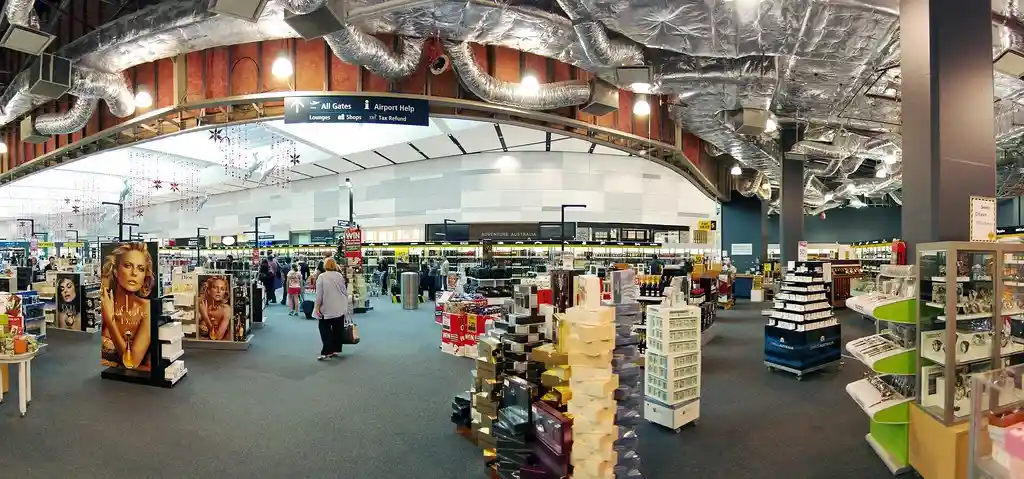
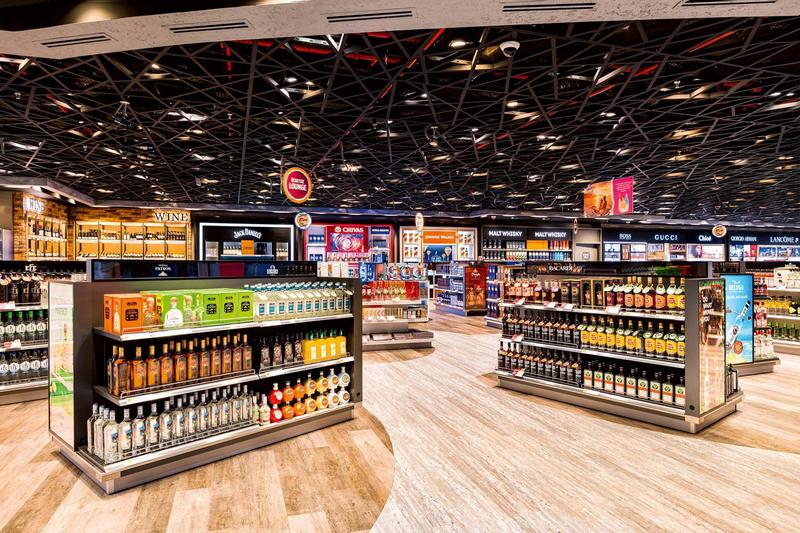
How LS Retail ERP Helps Manage Your Duty-Free Store? 

Duty-free is an important aspect of the travel and tourism industry. Obviously, the duty-free store has a large impact on how people perceive the country they are visiting. Therefore, you must have all your bases when it comes to running your duty-free business. LS Retail ERP can help you manage your store efficiently by providing tools such as LS Retail Mobile POS.   Also, stock tracking systems so that you know what inventory is available at any point in time (and where). Furthermore, you will also get data analysis reports that give insight into trends within your business based on sales performance. Moreover, there are many ways in which we can help you manage your duty-free store effectively!  LS Retail ERP Helps to Manage Duty-Free Stores Efficiently.  Stock Management  One of the most important aspects of managing duty-free stores is stock management. In fact, you must keep track of your inventory in real time. Further, it is important to ensure that it’s available when needed.  LS Central Software Solution has a mobile app with integrated barcode scanners that allow you to scan items from your shelves and immediately see their status on the screen. Thus, helping you see whether there’s any room left in your store for more products.  Furthermore, if an item needs reordering, this feature lets you do so automatically. Thus, allowing for better efficiency when dealing with duty-free stores around the world!  Payment Compliance  As a duty-free store owner, you know that it’s important to ensure your customers have the best experience possible. Thus, if they have any questions or concerns about the product, LS Retail POS can help provide an answer quickly.  Point of Sale  LS Retail Mobile POS helps you manage your duty-free store. Besides, from point-of-sale management to customer loyalty, you can have the tools and resources that will help drive results for you. Furthermore, it helps make their job easier and more efficient. Thus, it takes care of all the details so they can focus on what matters most: selling more products!  Customer Management  Customer management is a critical component of any retail business. Because of this, LS Central offers several tools to help manage your duty-free store, including:  LS Retail ERP helps you to manage your duty-free store so that you can focus on what you do best.  LS Central helps you to manage your duty-free store so that you can focus on what you do best. Moreover, it’s easy to use and it gives you the tools and resources that will let you run a successful business. Likewise, you can make sure everything else is taken care of for free.  Summing Up  Evidently, duty-free stores play a huge role in a country’s economy as it represents how your country will be seen in front of foreigners. Thus, maintaining and running them efficiently will make the whole difference. Since such retail stores involve complex policies, they need to be taken care of with utmost care. Therefore, getting Retail ERP Software such as LS Retail ERP will help them manage their operations efficiently.   Furthermore, if you are looking forward to implementing LS Central, you must Contact Trident Information Systems. We are a Gold Microsoft Dynamics 365 Implementation Partner and LS Central Diamond Partner. Further, with a team of highly experienced professionals, we ensure our clients get the most out of their LS Retail ERP Software. In addition, we have also gained a massive clientage with our excellent services. Contact us for further information. 

How LS Retail ERP Helps Manage Your Duty-Free Store?  Read More »

Resource and Staff Augmentation

How Can Staff Augmentation Help You Double Your Productivity? 

There is a reason various IT businesses are counting on Resource and Staff Augmentation recruitment principles. It is best for businesses with seasonal projects and who want to add skilled professionals to their existing workforce. Increasingly, companies are partnering with supplying organizations to access IT Resource Augmentation for a certain duration. Depending upon the organization’s needs, Augmentation Resources can take various forms ranging from remotely locating professionals to increasing the workforce.   Furthermore, IT companies choosing Resource and Staff Augmentation over traditional methods is becoming more and more common. Irrespective of the business size, almost every business prefers Staff Augmentation in one way or another. For instance, small businesses augment their entire workforce complimenting a minute percentage of their permanent employees. Whereas large-scale businesses keep their permanent employees intact and outsource IT professionals based on projects. This further becomes a very profitable opportunity for the demand and supply partners.   Why IT Resource and Staff Augmentation?  The availability of short-term roles in IT organizations and the talent pool with specialized skills are connected by staff augmentation. The most popular recruitment strategy nowadays is Resource and Staff Augmentation because it allows for workforce flexibility. While the full adoption of staff augmentation is still some distance off, most firms are transitioning to a hybrid model. Therefore, most businesses use the opportunity to combine the advantages of traditional staffing methods and staff augmentation. Salaried workers are a thing of the past as millennials now operate the majority of businesses.  How can IT Resource and Staff Augmentation Help You Double Your Production?  Staff Augmentation Resources brings a lot of opportunities for businesses to access professional expertise without having to hire them. Given below are some of the factors describing how it can boost a business’s productivity:   On-demand Hiring  The flexibility of IT Resource and Staff Augmentation is one of its main advantages. As a result, businesses can hire workers to meet their immediate demands. To meet the needs of the hour for a specific period, businesses might replace their regular personnel with qualified individuals. Thus, the businesses avoid additional expenses associated with permanent hiring. Take the case of employee provident funds and health insurance, thanks to this flexible hiring, these aspects are not bothered. Furthermore, it allows experts the adaptability to operate according to projects. Only excellent initiatives of your choosing are permitted. Because of this, both parties benefit and are in a win-win situation. Therefore, this effectively and economically bridges the professional skills gap between demand and supply. Further, the advantages of staff augmentation creatively fulfill the objectives of employer and employees by enabling recruiting on the fly.  Lay Hands on a Bigger Pool of Talent  Firms have access to a sizable workforce pool of highly qualified employees thanks to Staff Augmentation Options for IT organizations. Permanent hiring limits a company’s capacity to utilize the talent on the market. However, staff augmentation makes it possible to hire more millennials who have received intense skill development.   The techniques that staff augmentation candidates bring to the table are distinctive and advantageous because they frequently focus on a certain topic. Additionally, Staff Augmentation Services enable businesses to hire seasoned professionals who the latter may not be able to afford to recruit regularly but who can contribute their skills for a brief project. Therefore, staff augmentation solutions for IT organizations expand any company’s resource pool by enabling the hiring of specialized skill sets.  Economical Competitive Edge   Resource and Staff Augmentation services provide a practical way to utilize particular skill sets. Thus, the company does not have to pay for a long term because experts are recruited for a specific job. Therefore, hiring project-specific recruiters enables businesses to pay for personnel only as needed.   Additionally, by bringing a domain-centric understanding to the operational structure, this skill-specific talent gives an advantage over all rival brands. By demonstrating the talent pool at their disposal, the enterprises are also able to reach out to larger markets due to the availability of external talent. This results in a twofold win for the businesses. They first gain access to a vast talent pool for a fraction of the price of traditional hiring. Second, they are in a better position than their rivals who don’t have the same hiring flexibility thanks to this talent pool.  Operational Efficiency   Most small businesses have low returns on capital and high operational costs, particularly during lean times. Companies that provide Resource and Staff Augmentation support operational efficiency by offering flexible working environments. Companies that cooperate with supplying organizations avoid paying the infrastructure costs associated with constructing and operating in a new location. The experts may work from home or in the offices of the businesses that supply them. Despite working remotely, employees are entirely responsible to the hiring company and management.  The costs of functioning offshore are greatly reduced in addition to infrastructural costs. As a result, staff augmentation services lower operation costs and acquire experienced workers. Profits can be easily generated from such savings.  If you are looking for Resource and Staff Augmentation Services, you can Contact Trident Information Systems. We will send the most suitable employees to your service out of our 170+ technical resources. Trident is a Gold D365 Implementation Partner and Diamond LS Central Partner. With more than two decades of experience, we have managed to manage various ventures of different verticals. If you need any assistance with staff augmentation, Contact Us Today!  

How Can Staff Augmentation Help You Double Your Productivity?  Read More »